Thursday, February 1, 2024

Programming

IF THEN ELSE

QUESTION: In the video that you just share about the Model, you explain that you programmed Socrates to look at the whole world and “analyze” (this is key) the word analyze, if I understand programming a computer is a a bunch of If then or For Next, how do you program a computer to “Analyze” something, I don’t mean to prey but is there another way to program a computer that I am not aware of?. You make it seem like Socrates has a super brain and is Analyzing on his own without following any rules, if that is the case, how can a computer do that.

Thank you for all you do, you really make my brain jump and my eyebrows get together not to mention all the frowning trying to understand the HOW.

NM.
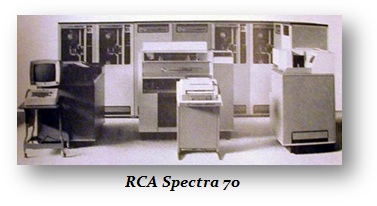
RCA Spectra 70

ANSWER: Programming is an art. Two programmers may write a program with the same end result, but their code is completely different. Even when I go back to look at the code I wrote, it is not easy. I have to clear my head and keep notes as to how I approached a problem at a particular junction. It is extremely complex, and I have to clear my mind. But to create Socrates, it required that (1) I understood trading and (2) I also had to understand how to program at the assembler level. A trader trying to communicate his experience to a programmer is like speaking a different language without a translator. When he does not understand, he screams louder as if that will make a difference.

That simple line of code from BASIC, if then else, opened the door to everything. When I learned to code, it was before C language or anything else. We coded in assembler, and basic was a major advance. I wrote Socrates in BASIC and then optimized the code in assembler. The programmers I have today wanted to know why even all the data is in binary – not ASCII. I had to show them the way we used to code, and binary is so much faster.
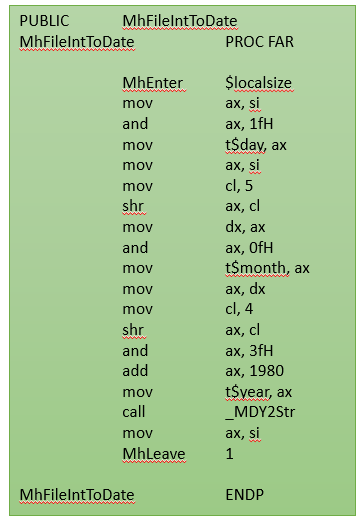
Assembler Routine

All of these new languages that have come out compile their code back to assembler. They are higher levels to enable someone to understand coding better, but that code is then compiled to the assembler, and it then runs the computers. Most programmers today are unfamiliar with even how to optimize in assembler, as this assembler routine concerns file dates illustrated here. You have to understand the computer structure, and you are moving data (MOV) into registers to process it.

You cannot program in assembler without understanding CPU Registers. The role of Registers in Computer Organisation and Architecture is vital. They are like a scratch pad. They play a fundamental role in computer organization and architecture by providing the processor quick access to data and instructions. They are a part of the CPU’s internal control unit, responsible for managing the workflow and coordinating the operations of different components of a computer system.

Roman Oil Lamp Burning

I did not code rules. As a history buff, I took energy; it moved from olive oil to whale oil to crude oil. So, I did not code some rule that crude oil is the only energy source. For all I know, 100 years from now, it could be Azuki beans.
Martin Armstrong Margaret Thatcher

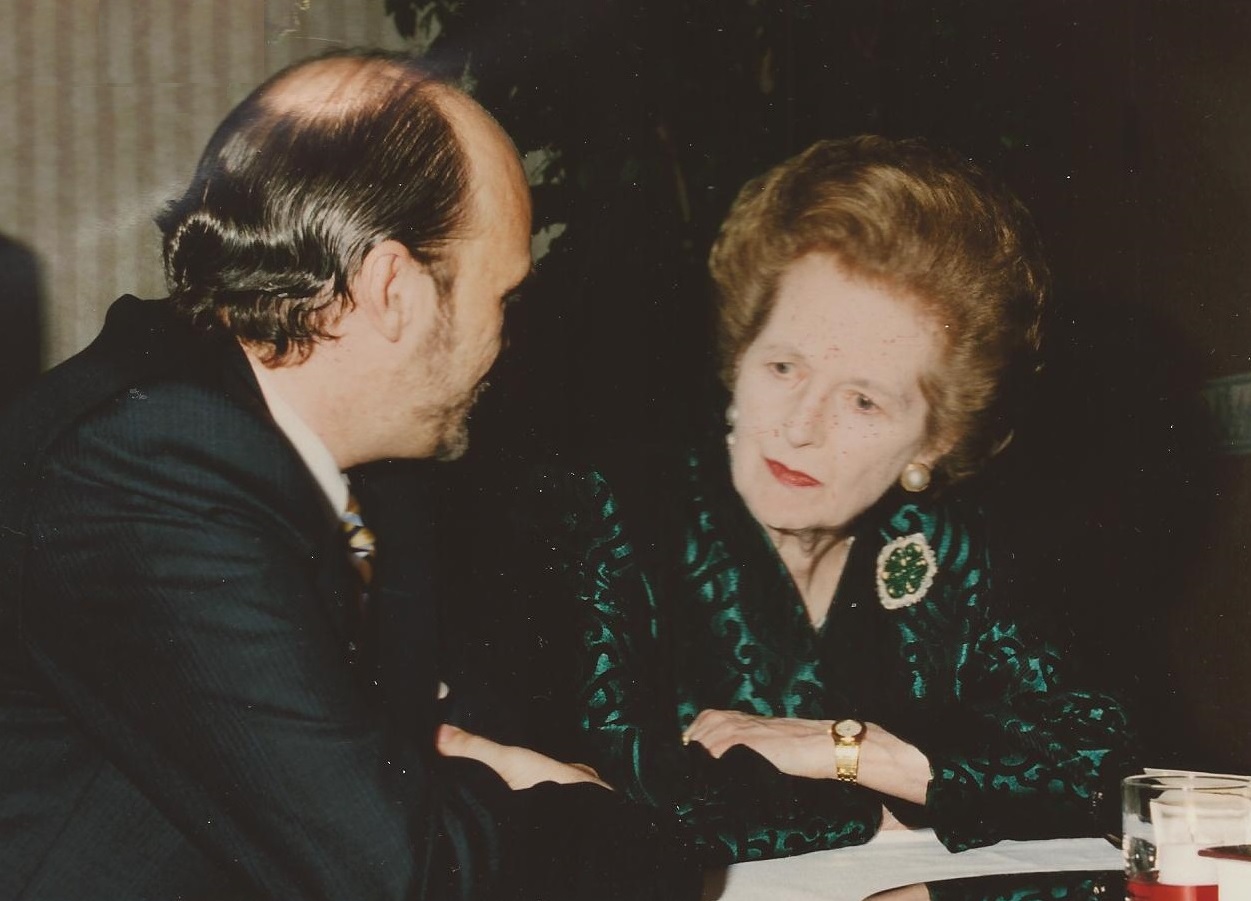
A human would consider interest rates, the stock market, taxes, and perhaps gold and currency to decide. Socrates correlates with absolutely everything. Is it a Super Brain? Perhaps. The reports it writes every day alone are over 1,000. There are not enough analysts in the world to match its output. I used it to restructure multinational companies. I became friends with Lady Thatcher because I directed companies that needed skilled labor to set up in Britain. The best tax deals for airlines I was sending to Ireland. The results from Socrates is far more than trading a single market.
GMW Singapore Share Index Y

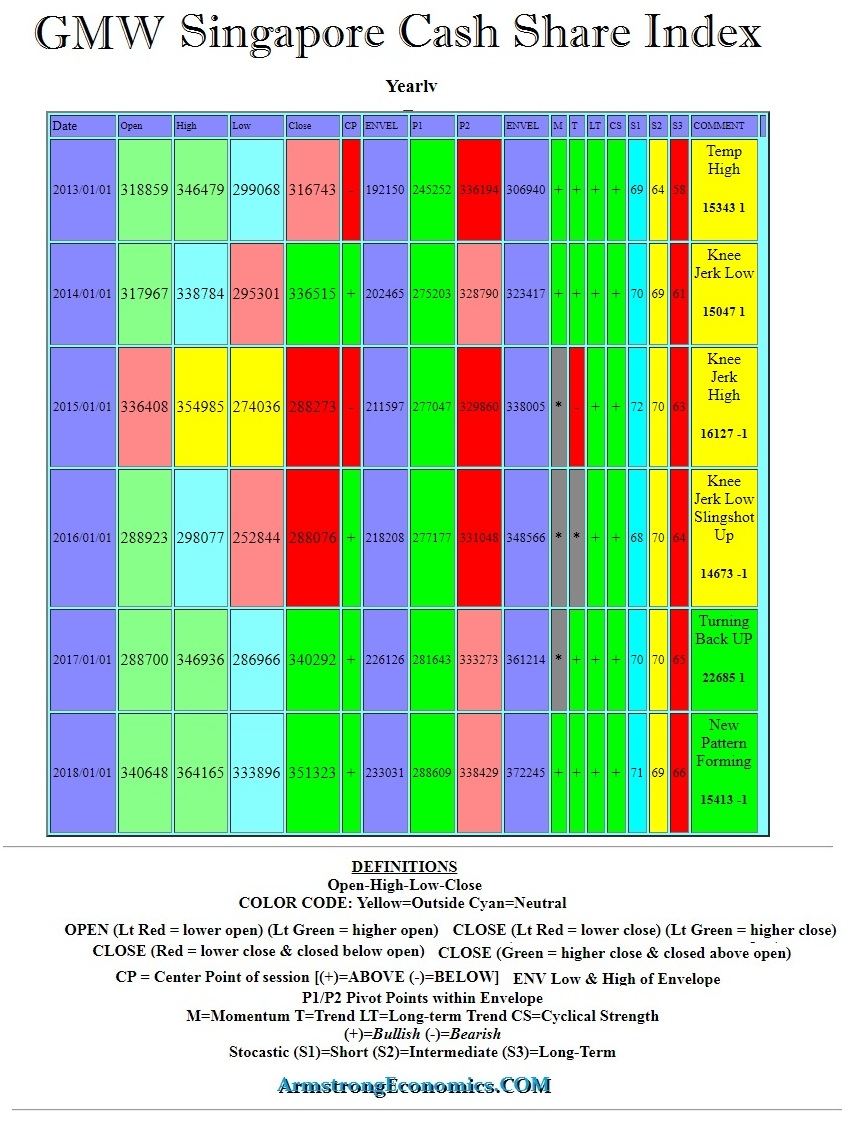
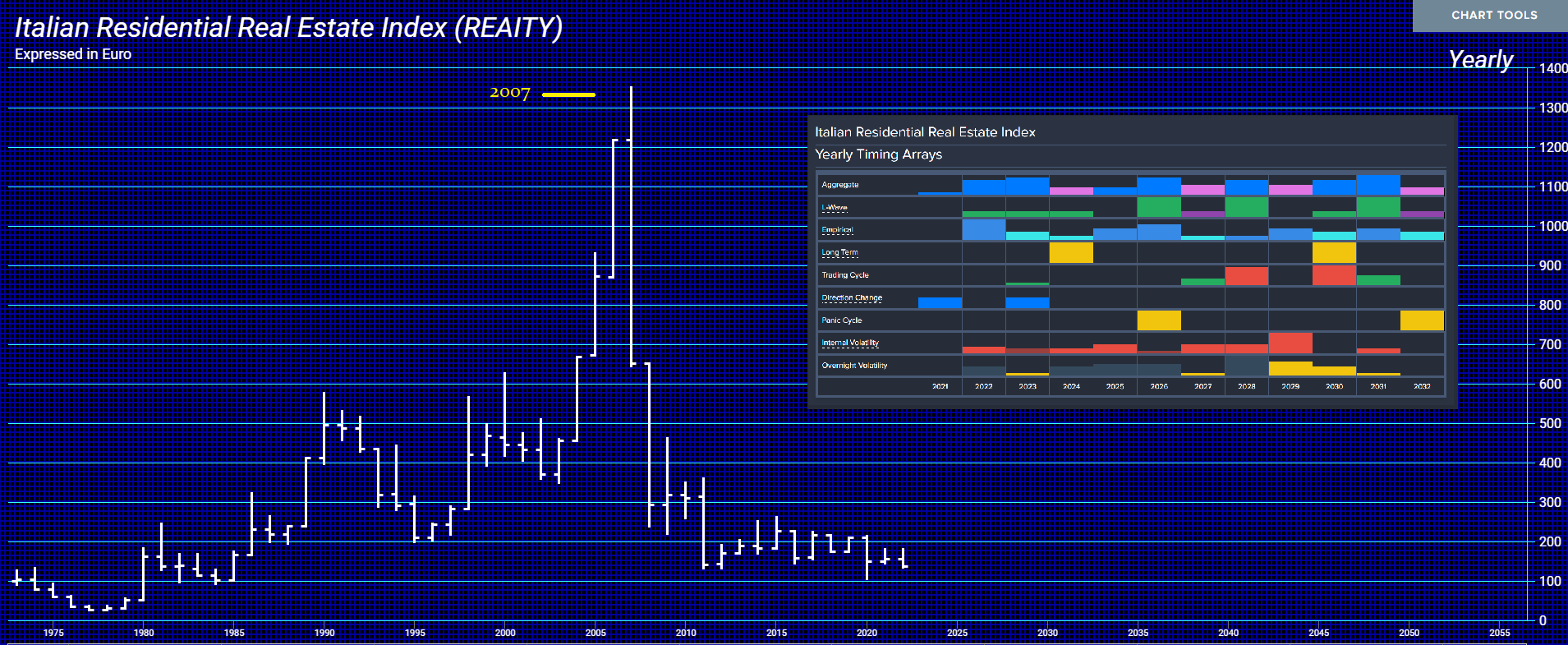
It has so many ways of analyzing markets, and then it correlates them all from cyclical to the Global Market Watch (GMW), which is pattern recognition. It has cataloged over 100,000 different patterns. It is forecasting the entire world. In doing so, it is tracking capital flows. It even tracks real estate worldwide, interest rates, and politics.
Italy Real Estate Y 10 17 22


The Global Market Watch was developed back in the early ’90s for one of our major portfolio clients so they could look at an entire sector without reading every report. You have to understand when managing heaps of money, you have to be on top of the entire world. The fact that Socrates covers everything, once a client is familiar with how it works, it is the same system applied globally. We have been doing this since 1981 and have the longest track record. People know us for our consistent forecasts.

This is not modern Machine Learning where you pray and hope the program will figure out how to trade all by itself. I had to put my own experience into this and teach it how to be an international hedge fund manager. You cannot leave it to chance.
FT June 27 1998 Rouble

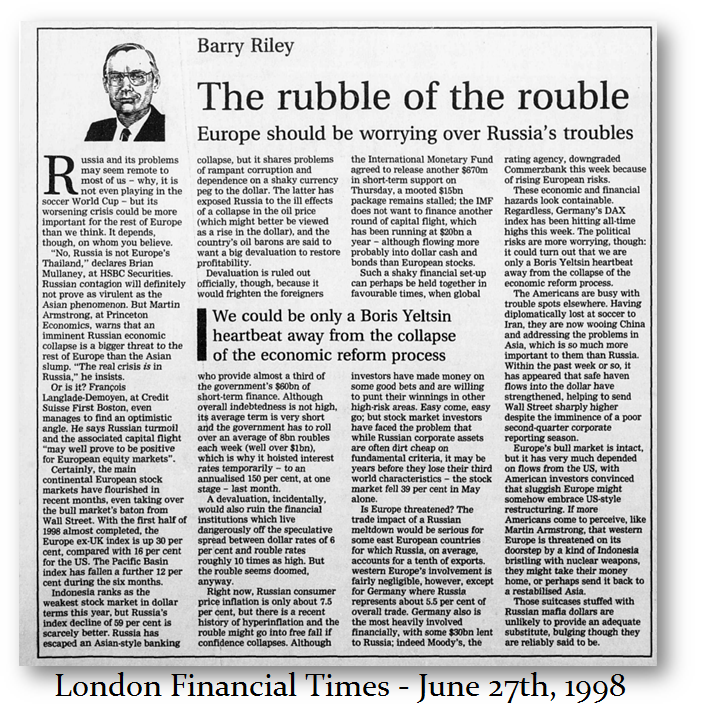
I had no idea it would forecast wars. That is why I was accused of manipulating the world economy; they argued I had too much influence. That is just absurd. No market can be manipulated in isolation. All the bankers blew up in 1998 with Long-term Capital Management because they thought they could manipulate Russia. They failed and blamed me for having too much “influence,” which is what they tried to buy.
Bryan CrossOfGold

Audio Player


SV PUCK Silver Democrats R

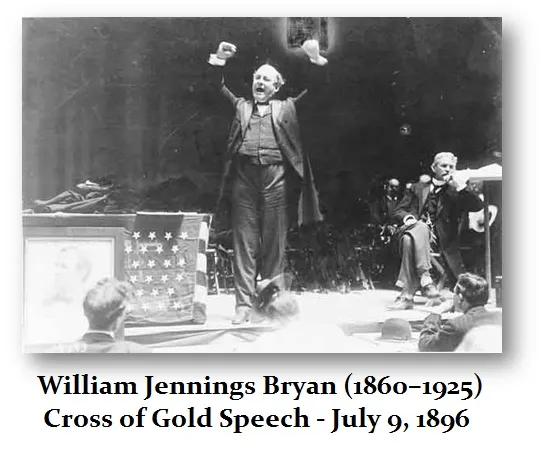
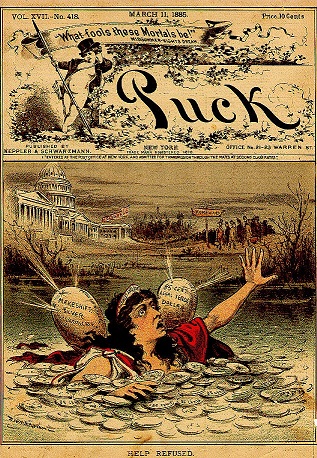
The Silver Democrats tried that in the 19th century, overvaluing silver, and they bankrupted the United States in 1896. That is when JP Morgan had to lend the US Treasury $100 million in gold. Overvaluing silver attracted silver to pour into the USA, which swapped it for gold that was then exported. Here is Puck Magazine, which shows the United States drowning in silver.

Everything will be arbitraged on a global scale. You cannot have gold at $2,000 in USA and $3,000 in London. They will buy the gold in NY and sell it in London. People who make up these manipulation stories have no real trading experience.

Programming in the 19th century

Music Box Coding

COMMENT: Dear Marty,
your blog post on programming and programmers having same results with different programs brings back memories. i went to high school in hawaii in the late 70’s and we had a mainframe and 2 courses for 2 languages, FORTRAN and assmebler. i took FORTRAN, the smart guys took assembler and we all did our programming on punchcards. woe to student who drop his stack of punch cards. it was almost better to re-type a new stack than to try resort them. there was a guy in the assembler class who was a kind of genius. there was a time he wrote a program in assembler for an assignment and his stack of cards was about less than an inch while others in the class had stacks that there 6+. when they turned in the assignment, the teacher look at his code and output (printed out of course) with this shocked look and said, oh, i guess you could do it like that! i would never have that kind of talent so i gave up programming and went the lawyer route. the logic is not quite the same but if you hum a few bars it rythmes.
cheers,
frank

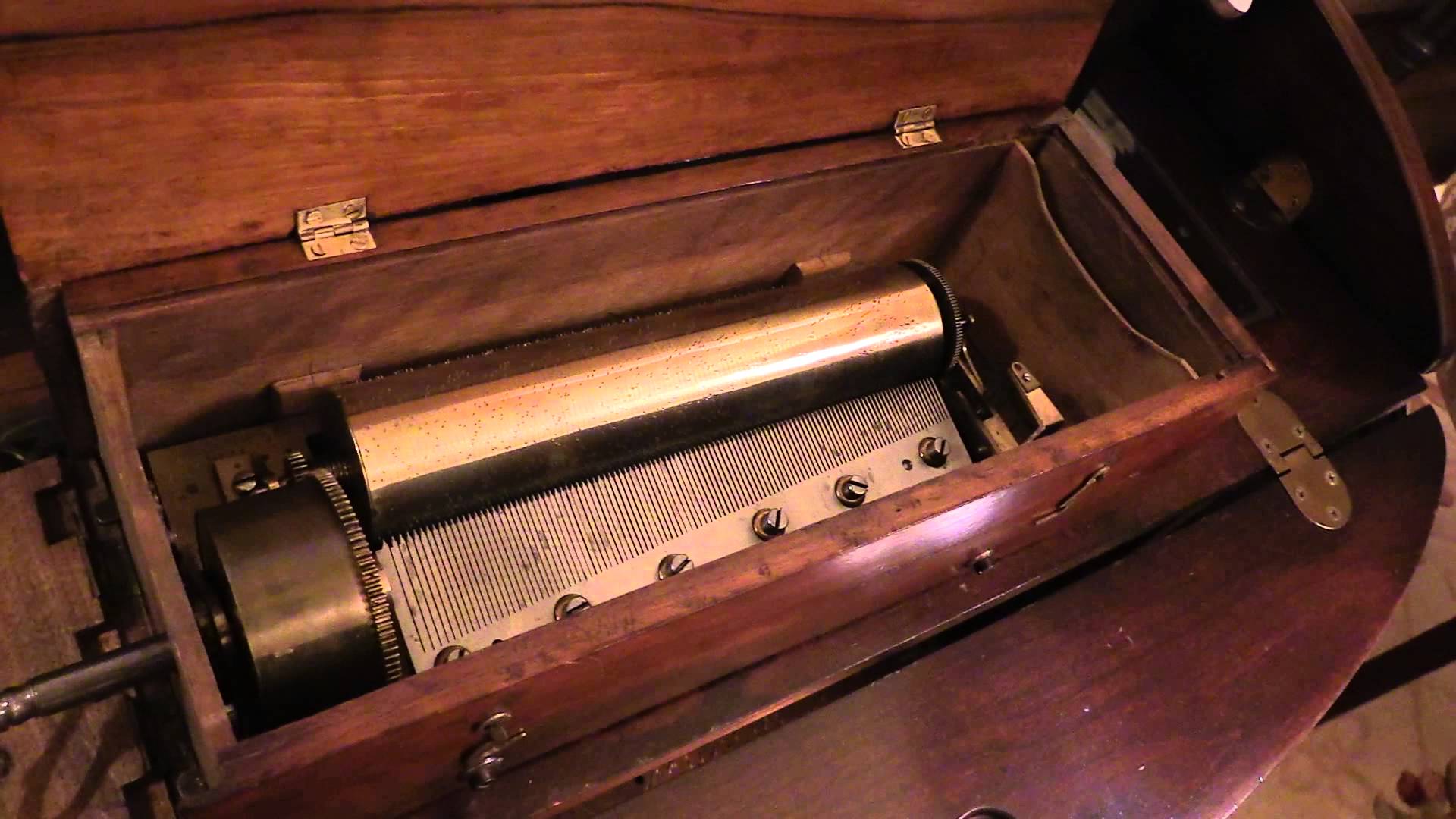
REPLY: OMG, you indeed bring back memories. Programming with punch cards predates computers for all the programmers writing in. This all began by recording on a cylinder with protruding nobs that when it revolved, the code embossed on the cylinder corresponded to the notes of a song. This is how music would play as the cylinder revolved. This was the forerunner to punch cards used in early computers to input data and run a rudimentary program.

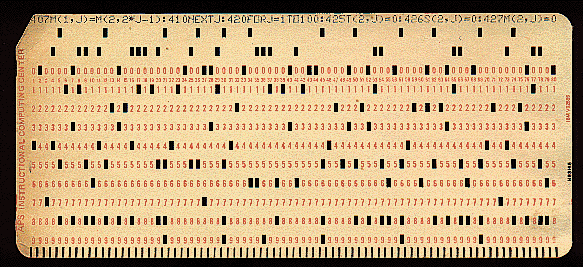
ibm-punchcard

This idea of a punch system was also widely used throughout the 20th century for controlling textile looms during the Industrial Revolution. However, the idea first emerged during the 1700s with a musical snuffbox called carillons à musique. By the late 19th and early 20th century, this system controlled fairground organs and related instruments.

Punched cards were used through most of the 20th century in what became known as the data processing industry – the use of unit recording machines organized into data processing systems for data input, processing, and storage. This was the logical extension of its use in music and repetitive machines during the Industrial Revolution. Early digital computers employed punched cards that were prepared using keypunch machines as the primary input medium for both computer programs and data.

Even former Chairman of the Federal Reserve, Alan Greenspan, wrote:

“As I wrote programs using punch cards in the 1970’s. I’d used this technique myself, writing programs on punch cards at Townsend-Greenspan. It’s never entered my mind that such programs, extensively patched, might still be in use at the end of the century, I never bothered to document the work.” 

Writing in Assember was cleaner and brief. It was difficult at first, but once you got the hang of it, it was faster than anything. I would write in BASIC back then, compile it to Assembler, and then optimize it to run as fast as possible. The programmers on staff today still marvel at an old DOS program I wrote, which runs in 640K, yet it swaps out sections of memory back and forth to maximize its use of memory, and it is still faster than anything written with today’s languages. That is all because the routines were in Assembler.

Friday, January 26, 2024

The Student Loan Boycott

Student Loans

President Joe Biden promised student loan cancelation during his initial presidential campaign. This became a big selling point for one-issue voters strapped with debt, but Biden likely knew this was a promise he could not carry out. The Biden Administration made a dent in the student debt crisis by forgiving around $127 billion, which means that tax payers at large will foot the bill. Three years have passed since student loan payments were paused due to COVID, and now, millions are refusing to resume payments.

Around 43 million borrowers now owe $1.63 trillion in student loans. Intelligent.com found that around 25% of student loan borrowers have not made a single payment since October 2023 when the grace period ended, and 60% have missed at least one payment since then. Why? Well, 69% state that they simply can no longer afford to pay off their debt. Around 9% said they are entitled to debt cancelation and will not pay a single penny as an act of resistance.

Boycotting student loans is asinine. Should people boycott their mortgages, car loans, or other debt that they deliberately agreed to take on? Lenders will not cave as this is simply business.

The on-ramp period will end in September 2024 and 18% have said they are waiting nine more months to resume payments. Do they realize their loans are still accumulating interest? They still need to pay the accrued interest before any of their payments go toward the principal. This period was merely meant to give borrowers a cushion from October 2023 to September 2024 to sort out their finances. The Education Department will begin reporting missed and late payments to credit bureaus in September.

Millions may see their credit scores ruined. Loans become delinquent after 90 days, and after 270 days, loans will go into default. The government will prevent anyone found delinquent from receiving future aid. Forget receiving any tax refunds. They will garnish wages, taking what they feel is necessary without factoring in your other monthly expenses. Still holding out on the student loan boycott? The government can take legal action against borrowers’ assets. You could lose absolutely everything.

Hillary Students

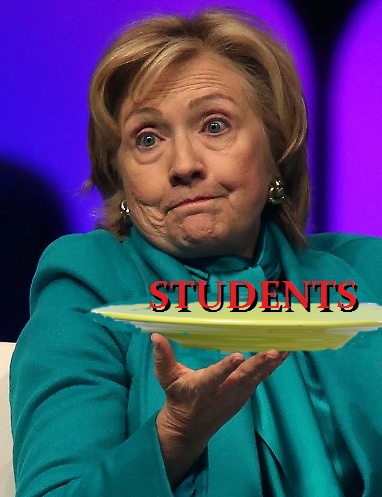
To the 69% who say they can no longer afford their loan, bankruptcy is no longer an option, thanks to politicians in the same party offering loan forgiveness without a plan. Former President Bill Clinton repealed the Glass-Steagall Act of 1933 in November 1999. This handed students to the banks on a silver platter as they could no longer discharge debt through the traditional bankruptcy process.

September 2024 also happens to be when our models predict a massive rise in civil unrest and a potential DRAFT at the end of the month. People wanting to boycott will lose absolutely everything if they abandon their loan payment responsibility. There are serious consequences for failing to repay your debts.

The Goths – Ancient Rome’s Migrant Crisis

Posted Jan 26, 2024 By Martin Armstrong

GothMigration

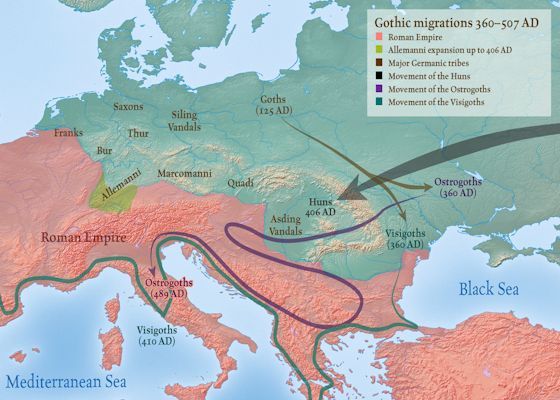
The globalists refuse to declare the migrant crisis an “invasion,” but we have history’s guidance to show us what happens when an unsustainable number of people enter a nation. The Goths, a non-military group considered migrants, are a perfect example. These men, women, and children sought refuge within the Roman Empire. This was not an invading army but rather a fleeing population seeking safety from the Huns. The Goths, long-time foes of the Romans, appealed to be admitted to Roman territory due to the threat they faced and needed to seek asylum. This event led to significant consequences and marked a turning point in the history of the Roman Empire.

The great Gothic migration involved hundreds of thousands of men, women, and children. While, to some degree, the growing unrest in the East pushed them southward, there is also little doubt that the border defenses of the Roman Empire had also been seriously weakened by the political instability and economic pressures that were building within Rome itself. Of course, the rumor of great plunder and riches available in Roman territory acted like a magnet much in the same way as the rumors of streets paved in gold in America prompted great European migrations during the 19th and early 20th centuries or the outdated stereotype of the American Dream.

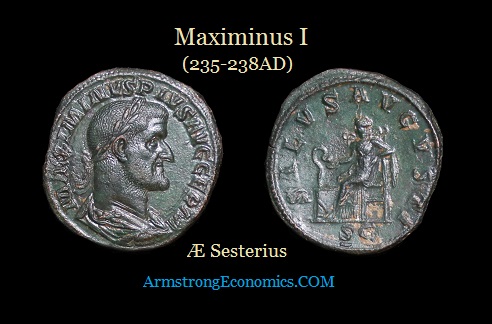
Maximinus I 235 238AD AE Sesterius R

By 238 AD, the Gothic position was so threatening to the Roman Empire that Emperor Maximinus was forced to pay them vast amounts of tribute, similar to how countries currently pay all expenses for migrants. While his aim may have been to buy time, this demonstrated weakness on the part of the Romans, who were still in the middle of internal political struggles for power. Internal imperial rivalries ultimately defeated Maximinis. Within less than four years thereafter, the Goths began a series of raids along the Danube.

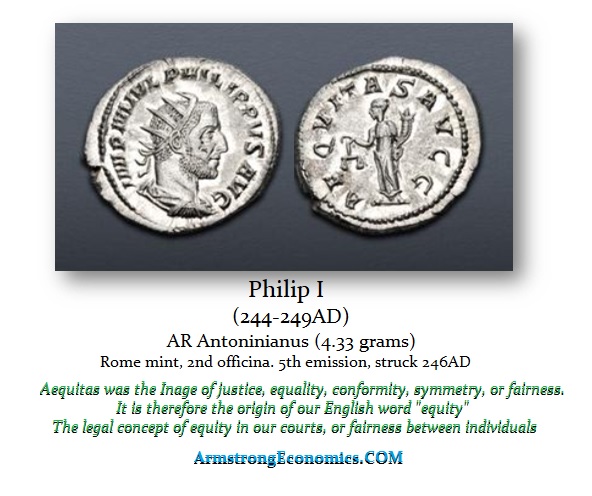
PHILIP I AR Antoniniany Aequitas

A decade later and Philip I attempted to quell the influx of migrants, but died while battling his successor, Trajan Decius. Rome was simply decaying gradually from internal struggles, which weakened the economy and constantly pitted one legion against another in a struggle for power. We see internal struggles today throughout the West as politics continue to divide the people. The Romans did not consider the Goths to be a force that would threaten the entire Empire, but rather more as a barbarian force looking for plunder rather than power.

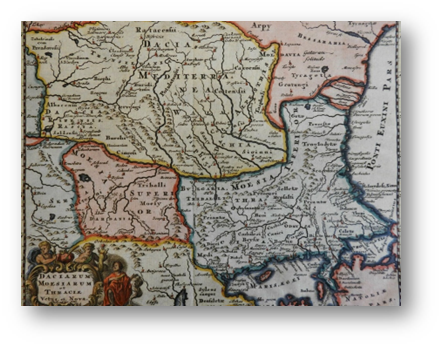
Dacia Map

Trajanus Decius declared the Goths an enemy and attempted to force them out of the empire, only for the masses to return a year later. The Goths were prepared this time and formed several strategic alliances with enemies, such as the Dacian Carpi. This led to a full-scale invasion, and the Roman Empire suddenly found itself besieged as war raged on in Moesia, Dacia, and even in Thrace, while the main body of the Gothic invasion was preparing a descent into the region of the Black Sea.

After many battles, the Goths emerged as the new masters of the entire Danube territory, all the way to the Black Sea. Trebonianus Gallus emerged as the new Emperor who could do nothing to reverse the Empire’s humiliating defeat. The Goths now turned to Illyricum and Thrace, burning and plundering their way across the region. By 253 AD, the Goths set sail along the Black Sea, headed straight for Asia Minor, which was wide open and waiting to be plundered.

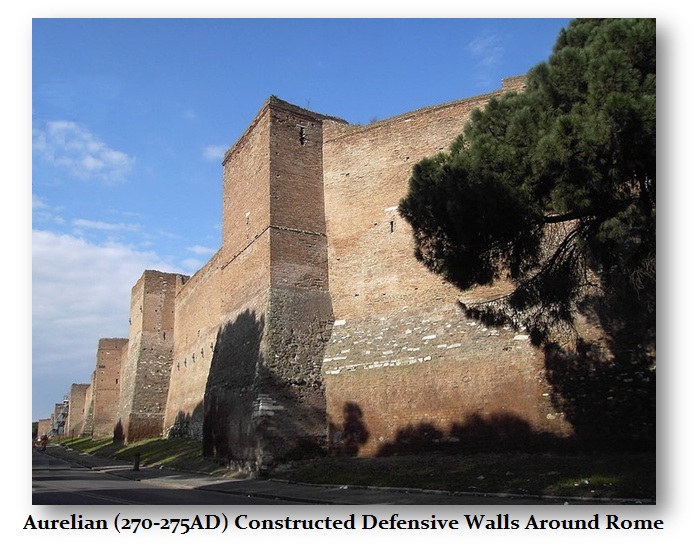
Aurelian Walls 2

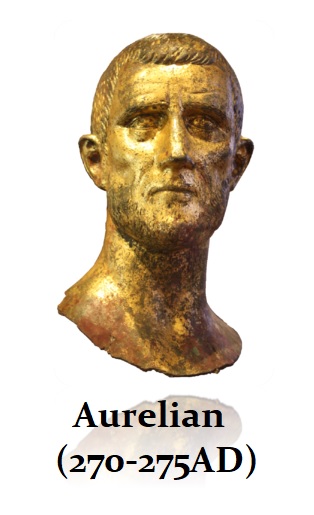
The Roman Empire was declining until Emperor Aurelian came to power and began restorative efforts, including anti-immigration policies. He not merely launched defensive measures, he moved on the offensive against the Goths and demolished them through a series of battles. The Goths were driven out of the Balkans and into Dacia. Aurelian also greatly restored the Black Sea defenses, which helped those regions rebuild their economies as well. However, Aurelian failed to pursue the barbarians into the Roman province of Dacia, pulling back and establishing the new border once again along the natural border as originally defined by Augustus – the Danube.

Aurelian Gold Bust

Aurelian’s decision to redraw the borders left Dacia in the hands of the Carpi and the Goths. Once the Goths were contained, they began to divide into two distinct groups – Ostrogothic and Visigothic kingdoms. These groups would evolve into powerful states that would ultimately bring down the Roman Empire in the West.

Those in favor of the Gothic migration stated that the newcomers would increase tax revenue and benefit the Roman economy. It was a humanitarian crisis and Rome’s responsibility to solve. Instead, the unsustainable influx of Gothic refugees contributed to the eventual fall of the Western Roman Empire. The event marked a turning point in Roman history and was part of a period in which the Roman Empire nearly collapsed under the combined pressures of invasion, civil war, plague, and economic depression. History always repeats.

The Price of Dying – Repeal the Estate Tax

Angel of Death

They say the only two certainties in life are death and taxes. And taxes on dying if you’re in the US. That’s right, the luxury of death comes with a price in the land of the free, thanks to the death tax. Now, Republicans are working to introduce legislation that would allow Americans and their families to rest in peace, free of charge.

The estate tax, or death tax, was first executed in the United States in 1916 as a means to generate revenue for the federal government. Supporters said it would address concerns about wealth concentration. The tax has been rewritten and revised over the years and numerous states have imposed their own death tax on top of the federal one. This is not the same as the inheritance tax that directly taxes beneficiaries.

US Representative Randy Feenstra, a proponent of eliminating this absurd tax, believes this bill is hurting farmers in particular. I have heard similar sentiments from my own clients. People fled England to America to avoid government confiscation of property through taxation. Britain has a 100-year land lease program whereby you pay the actual fair value of the property you bought outright. At the end of that 100 years, the next tenant must pay the full fair value once again. This is how the “rich” made their money keeping it in the family and never selling land. It is also why Britain was forced to hand Hong Kong back to China after 100 years.

People fled to America so they could actually pass property down to their children like the rich landholding families in Britain. This was the origin of the term “freehold” meaning you could actually own the land. America was the land of opportunity because it was all freehold and people could for the first time rise from the poor rank to that of the rich by hard work, saving, and being able to create wealth for the family unit. This was the American Dream.

Failing to repeal this tax will change American agriculture. As Rep. Feenstra notes:

“Over 99% of our country’s two million farms and ranches and over 95% of our nation’s small businesses are owned and operated by individuals and families. In other words, the American economy is powered by mom-and-pop shops on main street and farms that have been in the family for generations. Naturally, the federal government only sees these incredible farms and small businesses as potential sources of tax revenue, completely ignoring the sacrifice and labor that made these enterprises successful.”

This is one of the reasons why the wealthy in China are buying US farmland. The manner in which governments globally treat farmers is shameful. The government is not our next of kin; we do not save our entire lives to provide a better life for government.