Posted Jul 20, 2022 by Martin Armstrong
A new study by the University of Colorado Boulder published on “One Earth” cites water scarcity as the top threat to food security in the next 20 years. “Multiple events occurring at the same time compound the problem,” the study noted, citing droughts, floods, heat waves, pest outbreaks, diseases, and financial and political conflicts. Over 50% of those experiencing food insecurity live in conflict regions, and increasing political instability and civil unrest will cause this figure to rise. Various agencies such as the World Bank and United Nations have cited that food insecurity reached record levels in 2021 and has increased in 2022. However, one aspect that is not often discussed is water.
Humans can survive longer without food than water. Without water, there are no crops or cattle. Other studies point to increasing global demand for water as well. A 2019 study, “Reassessing the projections of the World Water Development Report,” found that water demand increased 600% over the past century.
“Global water demand for all uses, presently about 4,600 km3 per year, will increase by 20% to 30% by 2050, up to 5,500 to 6,000 km3 per year. Global water demand for agriculture will increase by 60% by 2025. By 2050 the global population will increase to between 9.4 to 10.2 billion people, an increment of 22% to 32%.”
Agricultural needs represent 70% of water demand. The poorest nations often have less access to clean water, and these are the same areas where the population is expected to rise. The aforementioned study also states that food demand will increase by 60% by 2050.
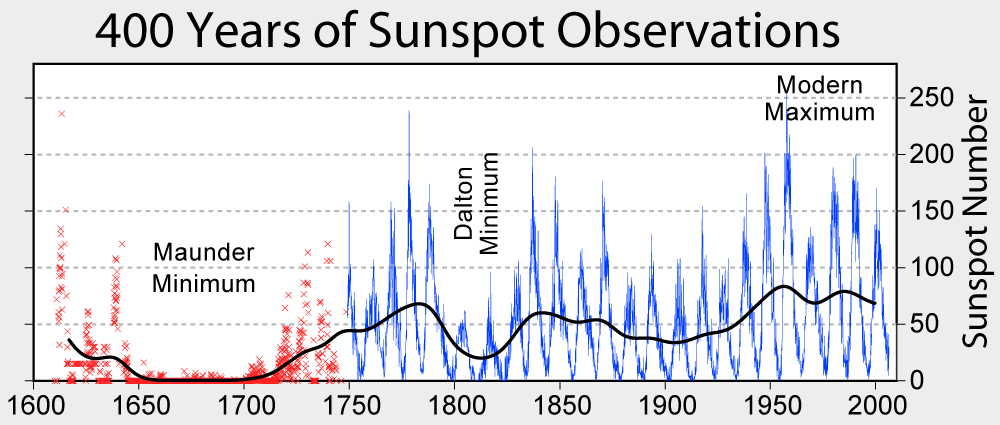
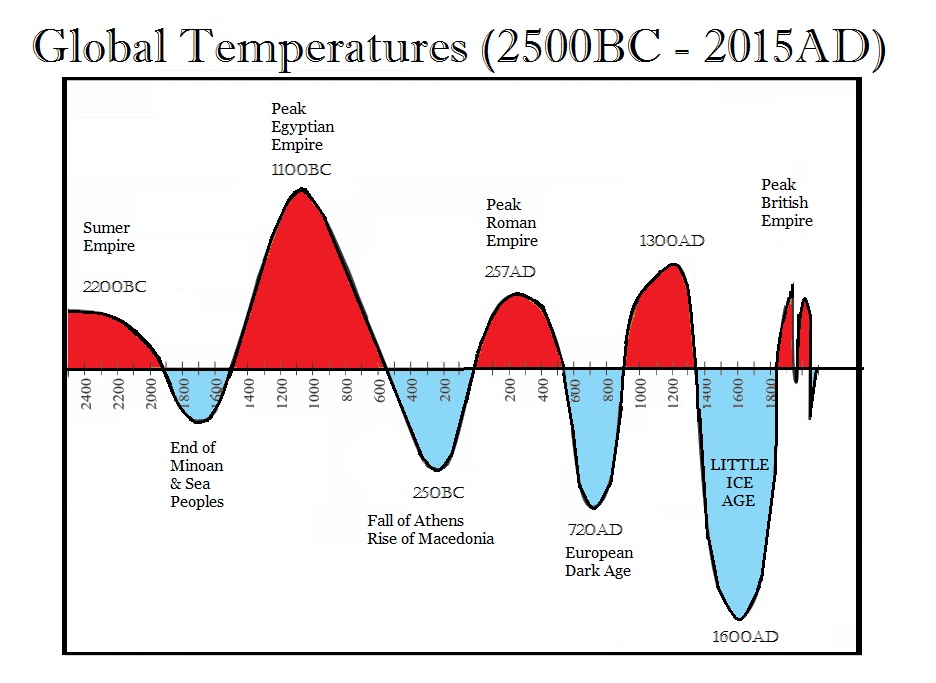
Our model projected entering another “grand minimum,” which overtook the sun beginning in 2020 and will last through the 2050s. This will result in diminished magnetism, infrequent sunspot production, and less ultraviolet (UV) radiation reaching Earth. We are facing a global cooling period on the planet that may span 31 to 43 years. It is interesting that these studies are pointing to 2050 as the point where water will become extremely scarce as it aligns with our models’ projection for the weather as we will then enter a new sunspot cycle.