Showing posts with label Antwerp. Show all posts

Monday, March 27, 2023

Gresham’s Law “Bad money drives out good“

 Are Markets Irrational or or Analysts?Gresham, 


QUESTION: Mr. Armstrong; Who is being irrational? The markets or the analysts?

KE
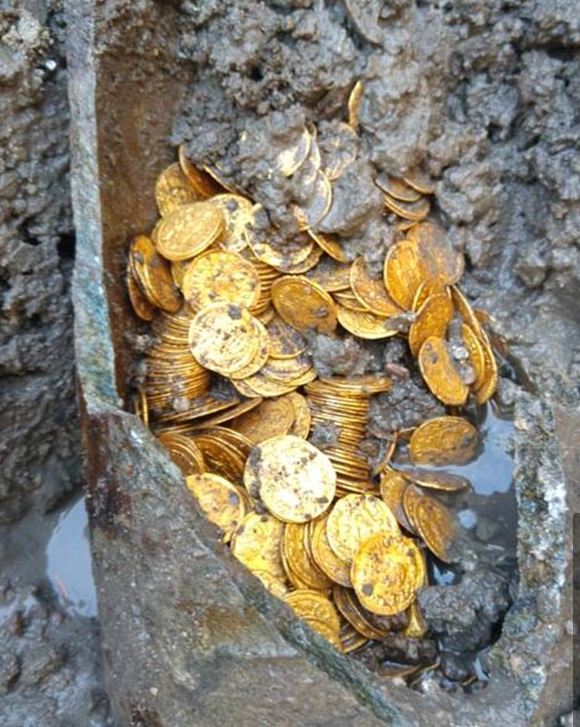
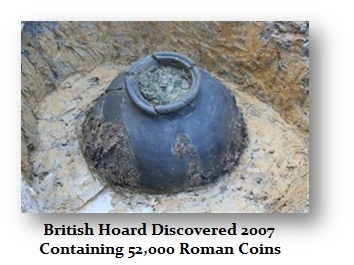
ANSWER: That’s simple. It is the analysts. The markets are ALWAYS correct. When you have bank failures unfolding, people will withdraw money out of caution. It is the very same reason there are ancient hoards of coins. You find coins in times of economic stress and uncertainty. This is a purely RATIONAL human response to uncertainty. It consistent for thousands of years. For any analyst to claim the markets are acting “irrationally” only proves they should look for another profession.
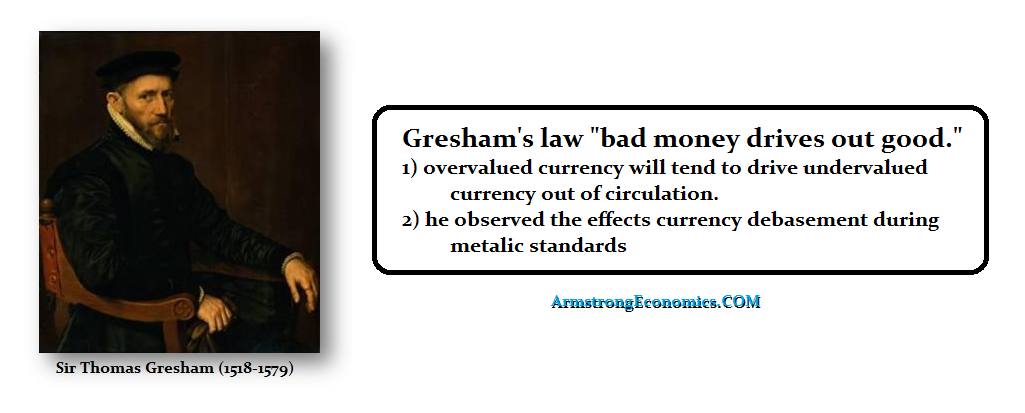
Sir Thomas Gresham began his career in 1543 working at Mercers’ Company at the age of 24 years old. He left England for Antwerp/Amsterdam which was the financial center of the day much like Wall Street. That was where he became a merchant businessman which was where banking existed in those days. He became an agent for King Henry VIII in the Antwerp/Amsterdam market. He became a trader and in so doing, he began to observe how capital moved.
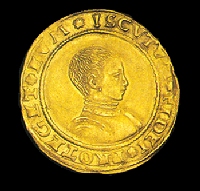
 

The interesting aspect was that he was called in as a sort of crisis manager as I have been during financial upheavals. In 1551, Sir William Dansell, who was King’s Merchant there in the markets, ended up putting the English Government into a financial crisis thanks to his mismanagement.  The English turned to Gresham for advice since he became quite astute at trading. They adopted his proposals. It was then that Gresham proposed a very ingenious tact. He advocated a FOREX intervention to push the pound higher on the Antwerp change. His intervention proved so successful that in just a few years King Edward VI had discharged almost all of his debts. By pushing the pound higher, he was able to repay the previous debts by devaluing them.
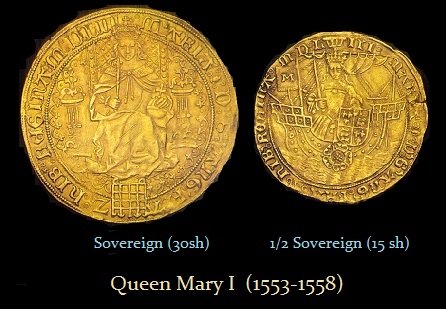
Therefore, the English Crown sought Gresham’s advice in all their finances until Mary came to the throne in 1553. Gresham was instantly pushed aside for  Alderman William Dauntsey, who lacked trading experience and quickly sent the Crown into financial stress. Gresham was called back to deal with the mess once again.

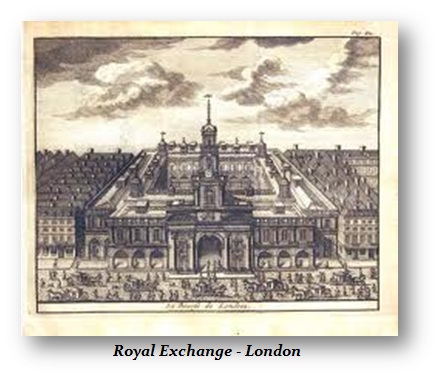
Under Queen Elizabeth’s reign (1558–1603), he continued as a financial agent of the Crown and also became the Ambassador Plenipotentiary to the Governor of the Netherlands. This was the period of civil unrest in Antwerp which compelled him to return to England in 1567. This is also when the English had the founding of the Royal Exchange to compete with the Netherlands. It was Gresham who made the proposal to build, at his own expense, a bourse or exchange. This demonstrated that Gresham was a trader and understood how capital flowed.
Apart from some small sums to various charities, Gresham bequeathed the bulk of his property (consisting of estates in London and around England giving an income of more than 2,300 pounds a year) to his widow and her heirs, with the stipulation that after her death his own house in Bishopsgate Street and the rents from the Royal Exchange should be vested in the Corporation of London and the Mercers Company, for the purpose of instituting a college in which seven professors should read lectures, one each day of the week, in astronomy, geometry, physic, law, divinity, rhetoric and music.[1] Thus, Gresham College, the first institution of higher learning in London, came to be established in 1597.
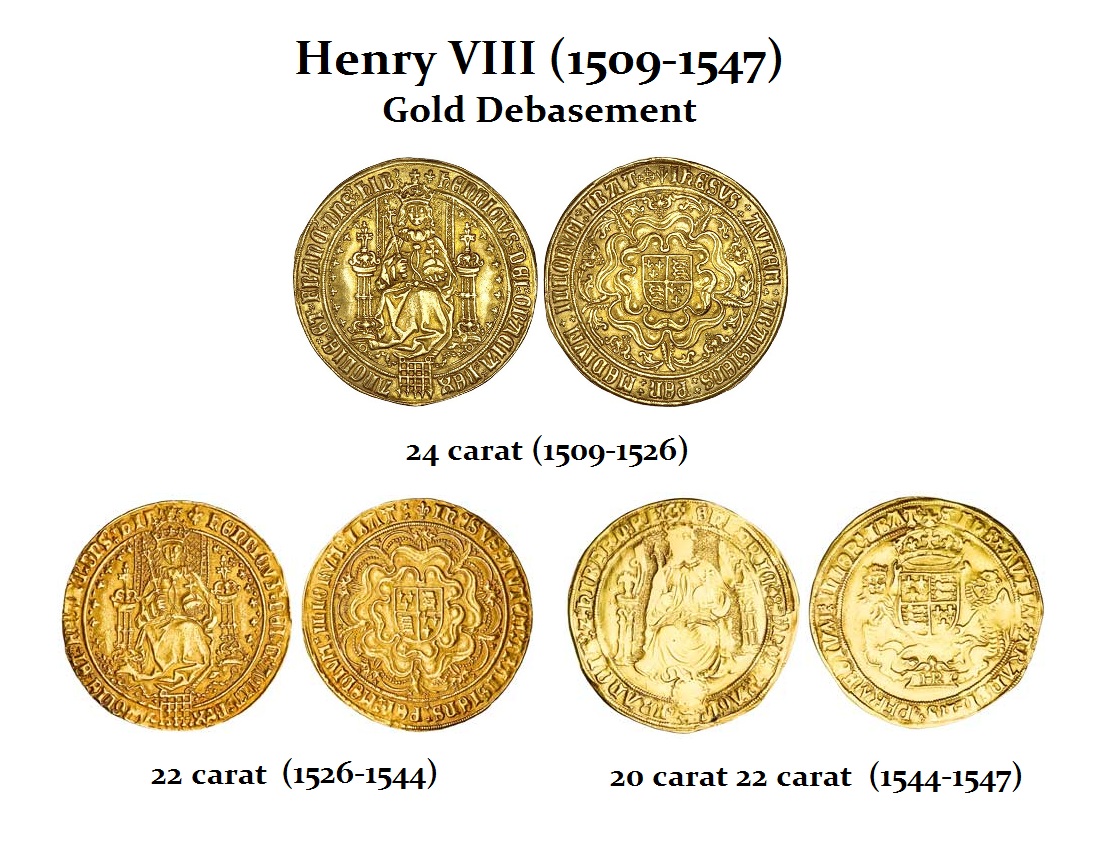

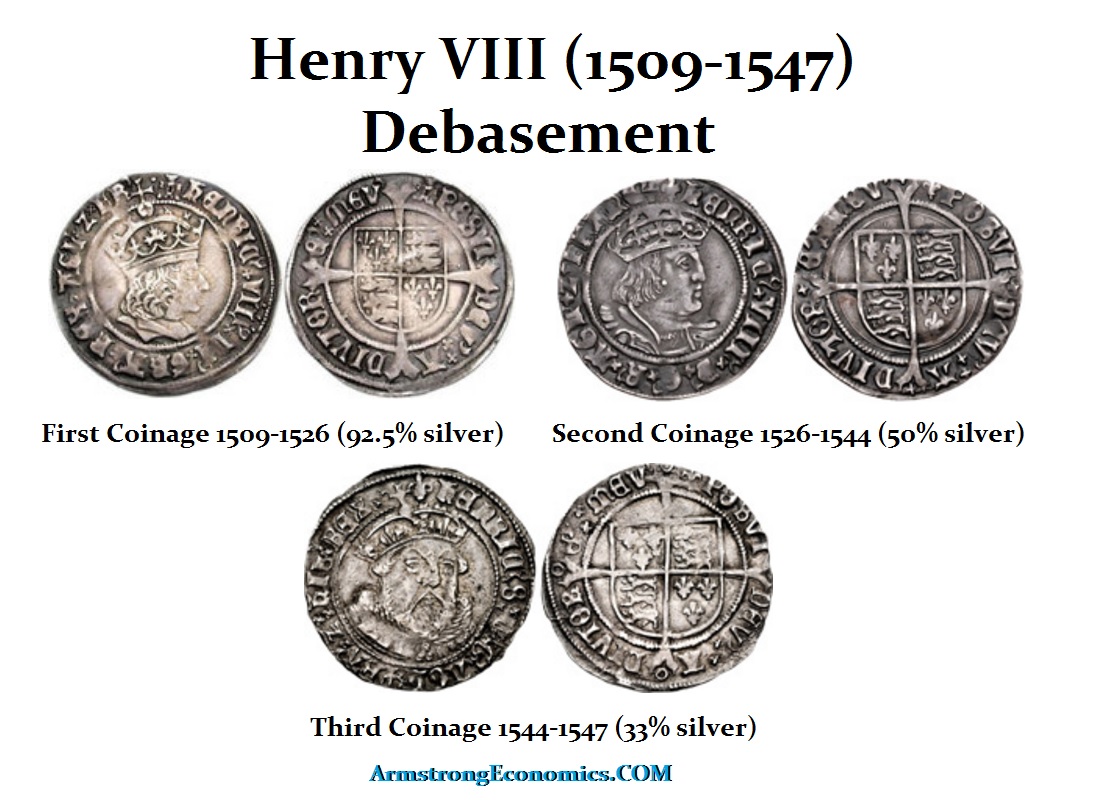
Gresham’s Law (stated simply as: “Bad money drives out good“). He concluded this from his observations that foreign exchange back then was based on the metal content and weight of the coinage. Therefore, as debasement took place, people would hoard the old coinage of higher quality and spend the debased.  Thus, the bad money drove out the good and actually shrunk the money supply in circulation.

He urged Queen Elizabeth to restore the debased currency of England. In so doing, you got to repay old debts with debased currency. Governments to this day practice that same trick. Repaying a 30-year bond today the bondholder cannot buy what the money was once worth 30 years ago. The interest does not really compensate for the loss of purchasing power over long periods of time.


Wednesday, February 17, 2021

Amsterdam Has Retaken Financial Capital of Europe? Was this Cyclically on Time?


EURONEXT has now beaten out London retaking back the financial capital insofar as stock trading is concerned thanks to Boris Johnson and of course BREXIT. The numbers are in and Amsterdam surpassed London with an average of €9.2bn shares a day traded on Euronext in January 2021, which was been a 400% increase over December compared to London trading which dropped to €8.6bn retaking its historic position that existed before the Dutch lost it to London.

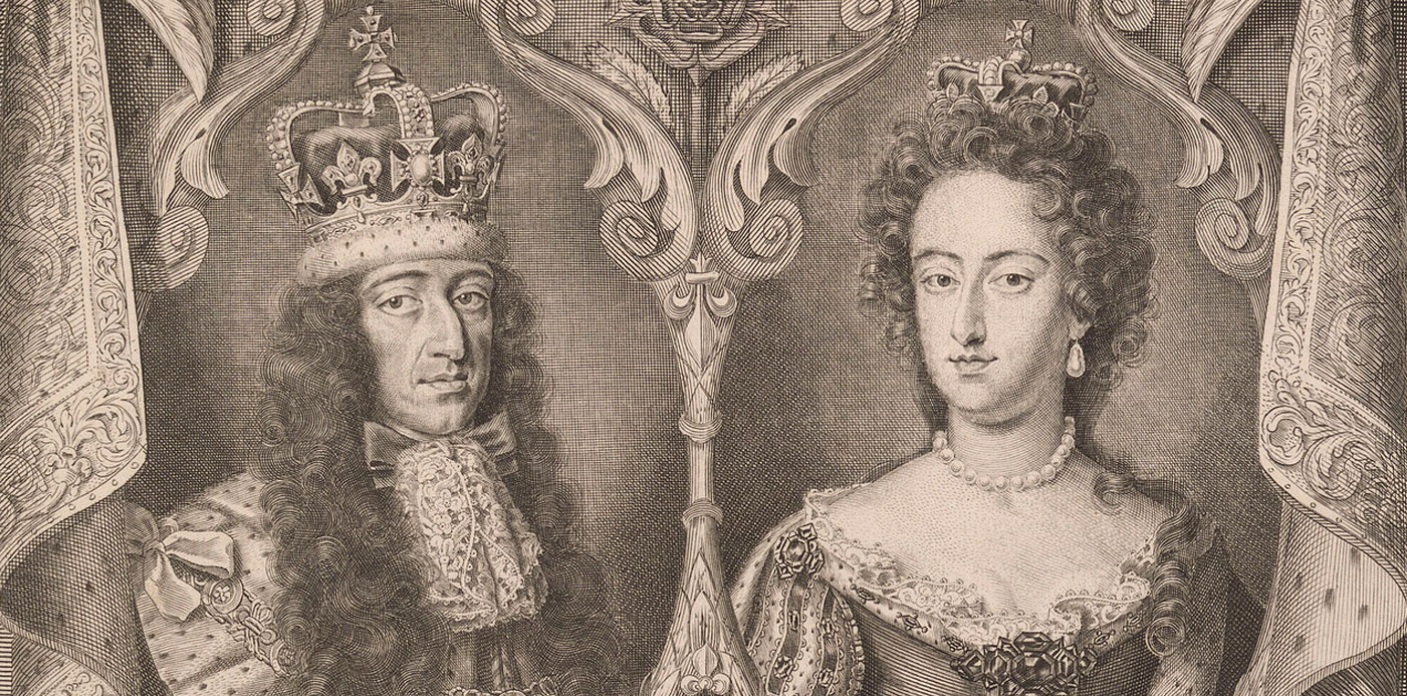
In 1689, the English Parliament declared that James II had abdicated by deserting his kingdom which was to exclude him and his Stuart heirs because they were all Roman Catholics. Parliament declared that “it hath been found by experience that it is inconsistent with the safety and welfare of this protestant kingdom to be governed by a papist prince”. Thereafter, the Sovereign was required in their coronation oath to swear to maintain the Protestant religion. Parliament in turn offered the throne to William (reigned 1689-1702) and Mary (reigned 1689-94) as joint monarchs.

They had to accept a Bill of Rights drawn up by a Convention of Parliament thereby restricting the Sovereign’s power and reaffirmed Parliament’s claim to control taxation and legislation. Hence, therefore, this Bill ensured Parliament could function free from royal interference forbidding all future sovereigns from suspending or dispensing with laws passed by Parliament in addition to maintaining a standing army in time of peace without Parliament’s consent. Moreover, the sovereign was also forbidden to impose taxes without Parliamentary consent. It was the lack of representation in Parliament by the American colonies which gave rise to the no taxation without representation slogan of the American Revolution.

One of the Dutch William’s main reasons for accepting the English throne was to reinforce the struggle against Louis XIV of France. William’s foreign policy was dominated by the priority to contain French expansionism. England and the Dutch joined the coalition against France during the Nine Years’ War, 1689-1697. Eventually, France was compelled to recognize William as King of England under the Treaty of Ryswick (1697),

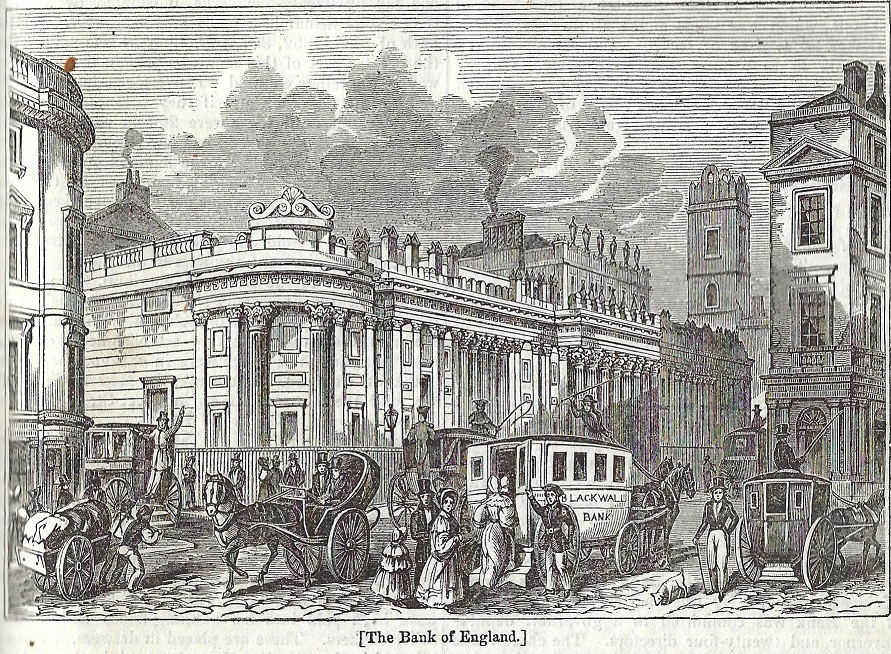
The Bank of England was established in 1694 as the expertise from Amsterdam was imported to London. The Bank of England was used at first to raise money for the war by borrowing. It did not circumvent the King’s financial reliance on Parliament, as the national debt depended on parliamentary guarantees. Yet, William’s Dutch advisers were resented in London. In fact, in 1699 his Dutch Blue Guards were forced to leave the country.

The Royal Exchange had been founded by English financier Thomas Gresham and Sir Richard Clough on the model of the Antwerp Bourse. Gresham represented the English crown in Antwerp. Gresham convinced the Crown to open the Royal Exchange in London in 1565 using the Antwerp model. However, it was first known as “the Bourse” until Queen Elizabeth I, after a visit on January 23, 1570, changed its name to the Royal Exchange. It was opened by Elizabeth I of England in 1571. Gresham saw the need for a central place where foreign exchange dealers could meet and conduct business. He recognized the deplorable state of the money supply and that this now made foreign exchange dealers a necessity for trade. He constructed the London Exchange between 1566-1568. It finally received royal recognition and thus it became known as the Royal Exchange in 1571. Unfortunately, it was completely destroyed in the Great London Fire of 1666.

Actually, during the 17th century, stockbrokers were not allowed in the Royal Exchange because they were regarded as rude huxters. Stockbrokers were seen as a lower class compared to foreign exchange and debt. They were confined to off-exchange establishments such as Jonathan’s Coffee-House. Where Llyod’s Coffee House emerged as the place for insurance eventually becoming Lloyd’s of London, the stockbroker began in a coffee house administered by John Castaing who first began listing the prices of a few commodities, such as salt, coal, and paper in 1698. This eventually moved to Garraway’s Coffee House where public auctions began to emerge. They would last based on the length of a tallow candle that could burn. They became known as “by inch of candle” auctions. As the activity grew, the trade began to attract more companies forming which became an IPO market to raise capital.  These are the earliest evidence of organized trading in marketable securities in London which was the resurrection of stock trading from Ancient Rome.

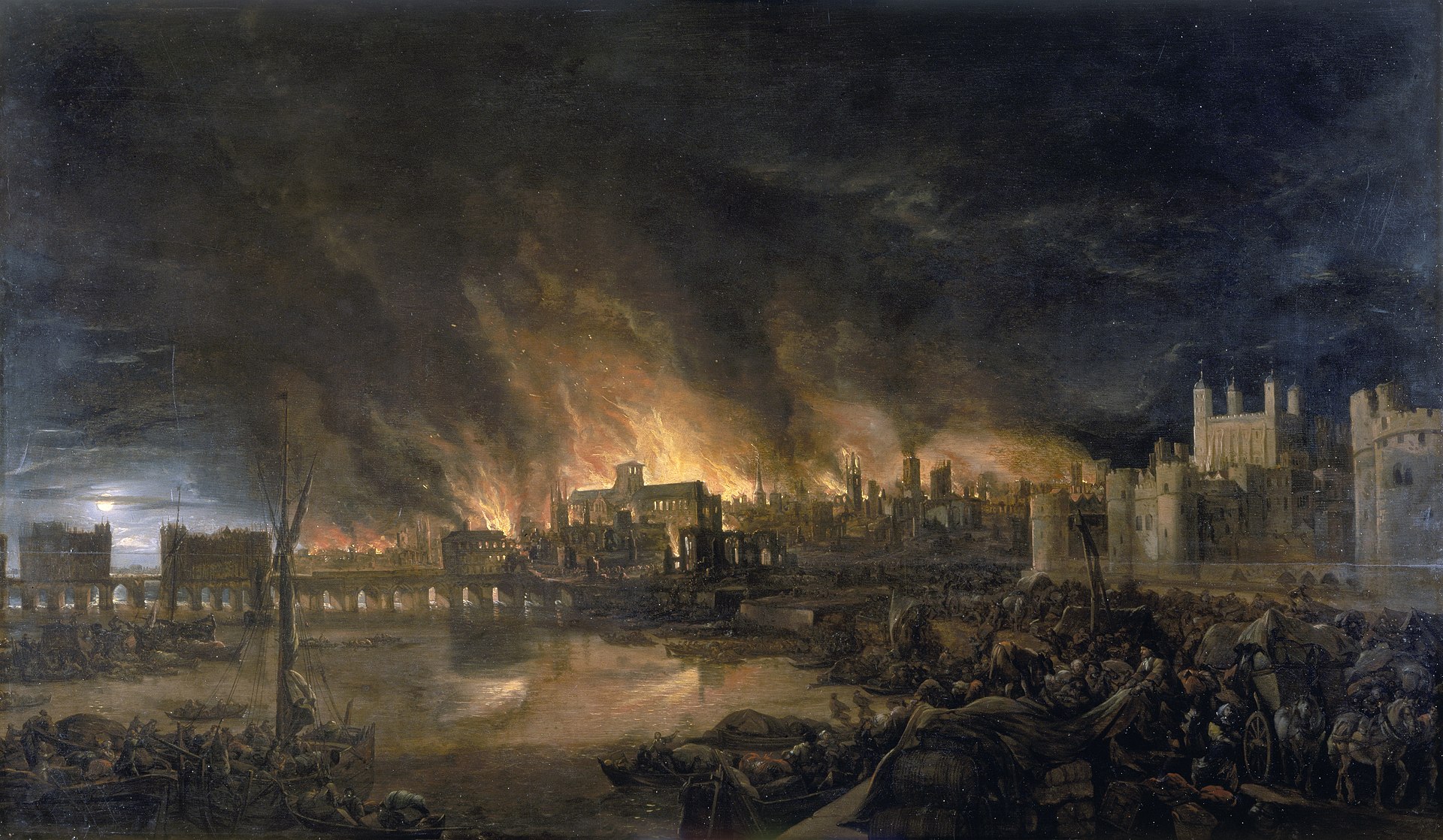
The Royal Exchange established by Thomas Gresham was destroyed in the Great Fire of London which was a major event that swept through the central parts of London from Sunday, September 2nd to Thursday, September 6th, 1666. The fire actually destroyed the medieval City of London which was inside the old Roman city walls. Eventually, the Royal Exchange was rebuilt and re-established in 1669. It was at this time that the stockbrokers joined the Royal Exchange bringing an end to the coffee house period. However, the second Royal Exchange also burned down, on January 10th, 1838. It had been used by Lloyd’s insurance market, which was forced to move temporarily to South Sea House following the 1838 fire.

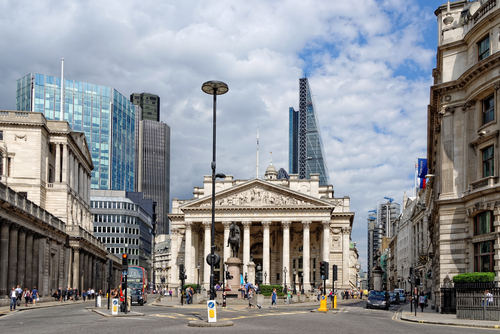
The current Royal Exchange building was constructed in 1840 and stands opposite the Bank of England. Gresham’s Royal Exchange surpassed Antwerp first because of the fire in 1583 which destroyed the Bourse. Yet it was immediately rebuilt to the same plan. Then came the Siege of Antwerp (1584-1585) and the surrender to the Spanish Army which killed the Dutch trade. Antwerp was simply unable to compete with Amsterdam and London.

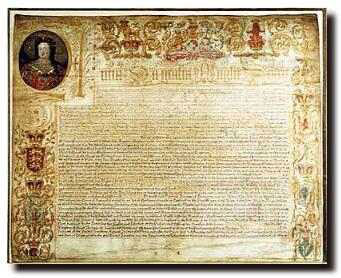
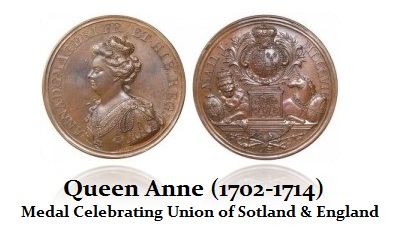
What is most curious is that 2021 is precisely 314 years from the birth of Great Britain. The events from the year 1707 created on May 1st the Treaty of Union and its ratification by the 1707 Acts of Union. The fact that Amsterdam has retaken the lead in stock markets seems to be right on schedule. Boris Johnson has destroyed the British economy and produced just about a 10% decline in GDP for 2020 – the worse collapse in 300 years! So here we have Amsterdam overtaking London in 2021 which is 314 years from the birth of Great Britain. It is amazing how rapidly Boris Johnson has wiped out the British economy.