Posted Dec 20, 2021 by Martin Armstrong
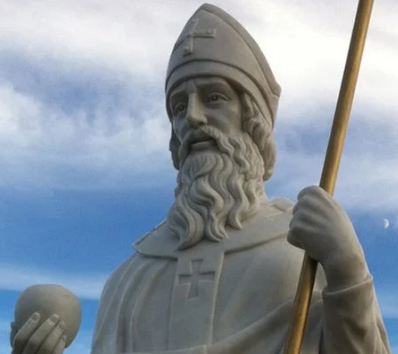
QUESTION: I found your comment on Pope Francis not being the “Peter the Roman” who is supposed to be the last Pope before the destruction of Rome. As you know, the text of Malachy came to light in 1595, in a book by Benedictine monk Arnold de Wyon. Malachy is said to have experienced a vision of future popes during a trip to Rome in 1139. He wrote down a series of 112 cryptic phrases that described each pope in turn. The text was said to have lain unnoticed in Rome’s archives until Wyon published it.
Pope John Paul II has been attributed to No. 110, “From the labor of the sun,” because he was born on the day of a solar eclipse and was entombed on the day of a solar eclipse as well. Then came Benedict XVI, No. 111, who is supposedly “glory of the olive” because some members of a branch of the monastic order founded by St. Benedict are known as Olivetans.
So that brings us to No. 112: “In the extreme persecution of the Holy Roman Church, there will sit … Peter the Roman, who will nourish the sheep in many tribulations; when they are finished, the city of seven hills will be destroyed, and the dreadful judge will judge his people. The end.” Can Socrates confirm or deny that Pope Francis will be the last Pope? Has it changed it mind given thsat Pope France is clearly in bed with Schwab and the WEF?
Curious
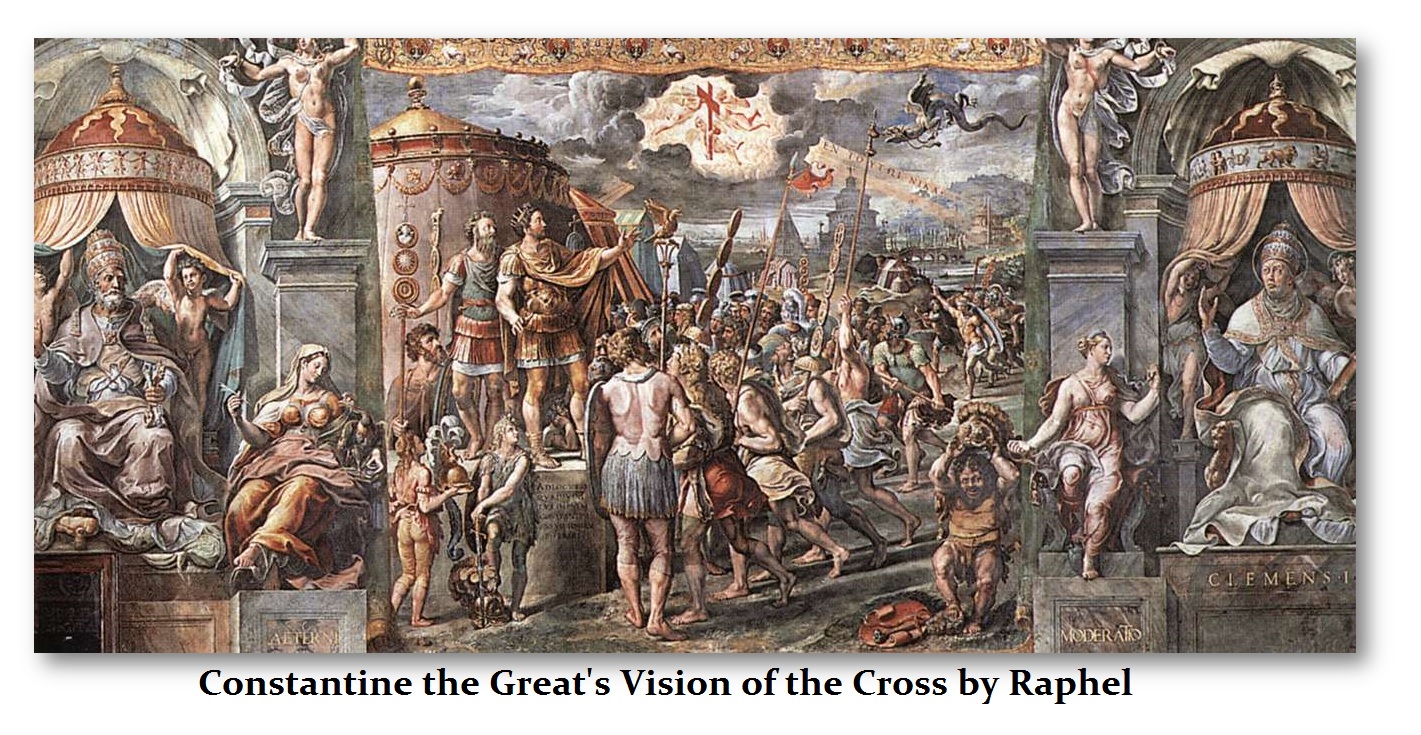
REPLY: I did not factor in prophecies into Socrates, for they are subjective and cannot be definitively used as scientific input. They fall into the category of BELIEF, which I cannot program. That said, many look at the forecasts of Socrates as being independent, and if they happen to line up with religious prophecies or even astrology, they are often used as interesting correlations by some. What is part of the economic cycle is that changes in religions indeed unfold with the model, for they are typically driven by the underlying economic conditions. For example, the persecution of the Christians took place BECAUSE Rome was collapsing and people blamed the Christians for making their gods angry by refusing to worship them.
Nevertheless, the Christians typically misrepresented other religions as paganism, whereas their view of their gods was never the same. They did not see them as their “creator” of the world or humans but more as mischievous super-beings who would torment humankind. For example, you would bring a gift and pray to Poseidon because you were about to sail someplace, and you were asking him for safe passage. He was never seen as anything more than being in charge of the ocean. So you brought him gifts hoping for calm seas.
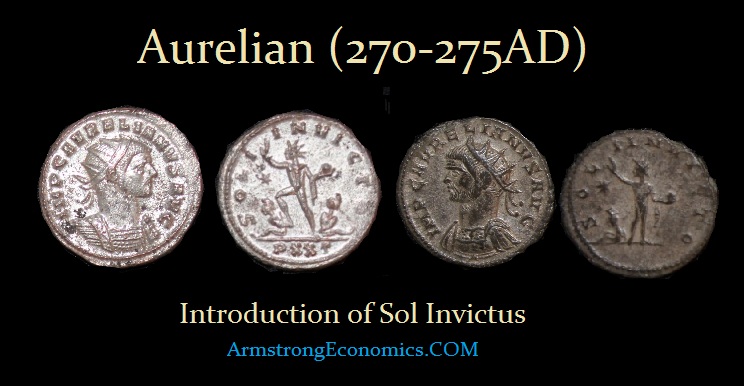
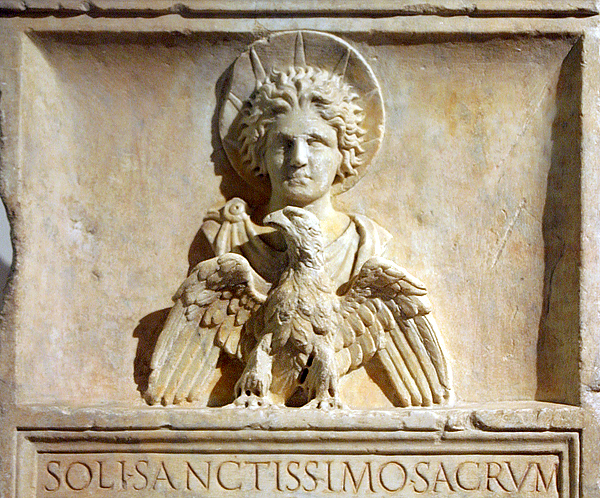
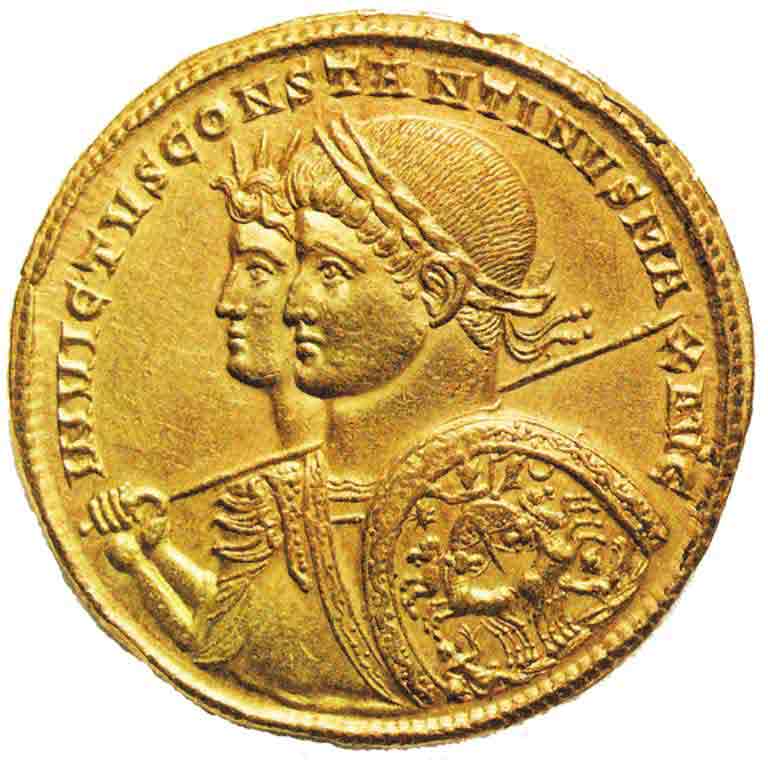
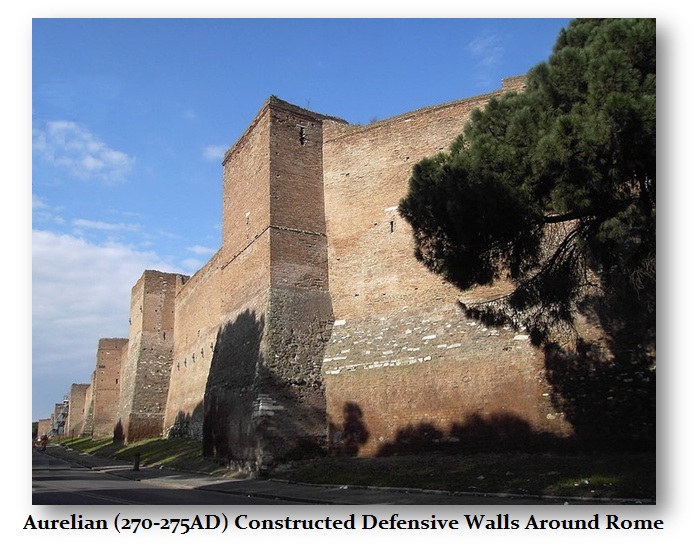 The closest thing to the idea of one god was Sol Invictus which was a cult promoted from the East by Emperor Aurelian (270-275 AD) because this was when Rome was under siege by the barbarians. It was Aurelian who built the wall around Rome, which still stands today.
The name “Invictus” meant invincible, and it was his feast day, December 25, which eventually became the Christian Christmas. The promotion of Sol was the sun god, and he was invincible because he returned to the sky every day. This was intended to inspire hope and confidence that Rome would survive. Even the statue of Liberty has the same sun rays protruding from her head as was the case of picturing Sol.
Hence, changes in religion have always been linked to economics. There was this cult of Sol combined with Hercules, who was the son of Zeus and defender of humanity against evil. These concepts allowed many to convert to Christianity since it was not so radically different.
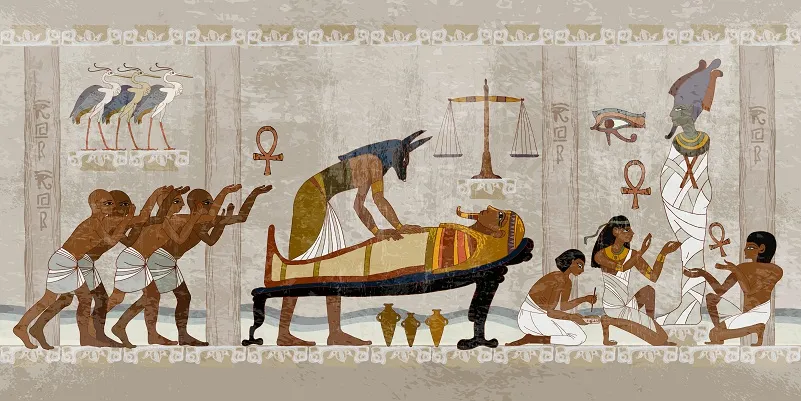
In this respect, religion has changed over time with the turning points in the model. Interestingly enough, most religions seem to have this idea of a battle between good and evil, which predates everything back to the Zoroasters, who were the three wise men to visit Jesus at birth. This is really why the visit of the three wise men was so significant, for it was an endorsement from antiquity. Yet most religions also had this idea of the last judgment and some even resurrection like the Egyptians. Among the Greeks, when you died, Zeus did not judge you, but he made a recommendation to the Three Fates who delivered the last judgment, and this is also why a panel in a court of appeals also has three judges.
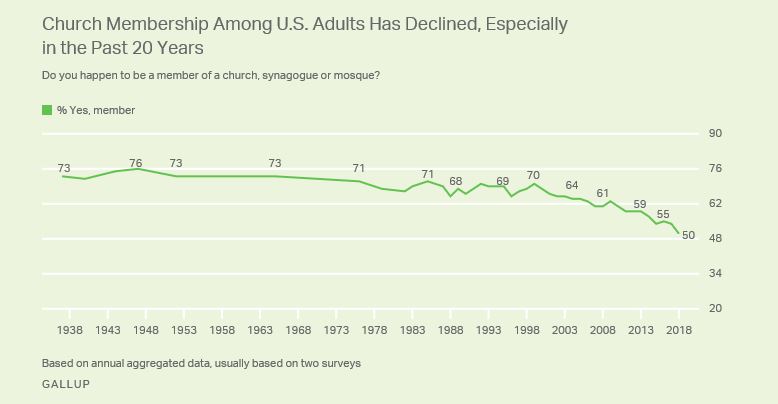
There has been this common theme with variations throughout most religions. What is clear is that when the economy turns down hard and the end seems inevitable, you find major upheavals in religion throughout history, right down to the schism in both Christianity as well as Islam. To whatever extent our model may align with religion or even astrology, rest assured that neither are input into Socrates to make forecasts. Many have seen correlations, but I believe the driving force is always economic.
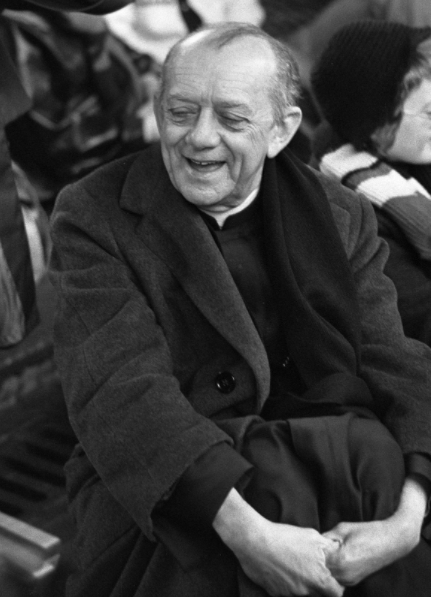
What we must understand is that Pope Francis is a Communist at heart. He was influenced by Archbishop Hélder Pessoa Câmara (1909–1999) of the Brazilian Catholic Church, who was a self-proclaimed Marxist. He was the Archbishop of Olinda and Recife between 1964 to 1985. He is not to be confused with Cardinal Jaime de Barros Câmara (1894–1971), who was elevated to the cardinalate in 1946 by Pope Pius XII. From 1962 to 1965, it was Cardinal Câmara attended the Second Vatican Council who was anti-communist and assisted Leo Joseph Suenens in delivering one of the closing messages of the Council delivered on December 8, 1965.
Archbishop Câmara disagreed with the church’s conclusion. He attended all four sessions of the Second Vatican Council and even played a very important role in drafting Gaudium et Spes. However, on November 16, 1965, Archbishop Câmara led 40 bishops who met at night secretly in the Catacombs of Domitilla outside Rome on the Via Appia Antica, which are spread over 17 kilometers underground. They signed a secret document under the title of the Pact of the Catacombs with 13 points that were inspired by Karl Marx. This small group of Marxist priests meeting in secret has been the beginning of an existential threat to our very future. Because South America has been unable to rise above Marxism, it has been part of the Catholic Church in that region to adopt the doctrine of the Pact of the Catacombs despite the fact it was never sanctioned by the Vatican until Pope Francis, who has practiced this distorted doctrine his whole life, for it focuses on material wealth rather than on the spiritual concerns for the soul. Section #10 of that Catacomb Pact reads:
“We will do our utmost so that those responsible for our government and for our public services make, and put into practice, laws, structures and social institutions required by justice and charity, equality and harmonic and holistic development of all men and women, and by this means bring about the advent of another social order, worthy of the sons and daughters of mankind and of God.”
Paragraph 10 of the Catacombs Pact
The reason this obscure meeting was so important is that it was, according to Klaus Schwab, this doctrine that changed his life as he says in this next clip.
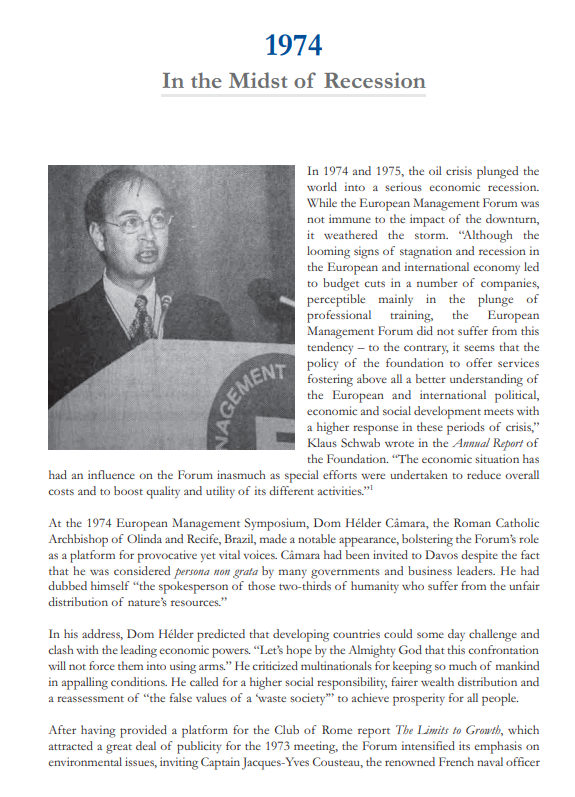
Indeed, Archbishop Câmara spoke at Davos in 1974. From that time onward, Schwab has been trying to influence world leaders and convince them it is time to adopt Marxism. Note, when Archbishop Câmara addressed the Davos meeting of capitalists, there was a time of economic crisis as well. This was the first major recession which exposed that the idea of Keynesianism proved incorrect. It was Paul Volcker who delivered his famous Rediscovery of the Business Cycle in 1979 stating.
“The Rediscovery of the Business Cycle – is a sign of the times. Not much more than a decade ago, in what now seems a more innocent age, the ‘New Economics’ had become orthodoxy. Its basic tenet, repeated in similar words in speech after speech, in article after article, was described by one of its leaders as ‘the conviction that business cycles were not inevitable, that government policy could and should keep the economy close to a path of steady real growth at a constant target rate of unemployment.”
Câmara, who was apparently the most influential person in Schwab’s life, was an advocate of liberation theology, which is a theory that emphasizing the liberation of the oppressed must be the objective. The foundation is Marxism engaging socio-economic analyses, rather than theology, pushing economic materialism rather than spiritual objectives. It argues for the social concern for the poor and political liberation for oppressed peoples whereby its core is “inequality” materially claimed to be driven by race or caste rather than ability. Câmara admittedly is famous for saying: “When I give food to the poor, they call me a saint. When I ask why they are poor, they call me a communist.”
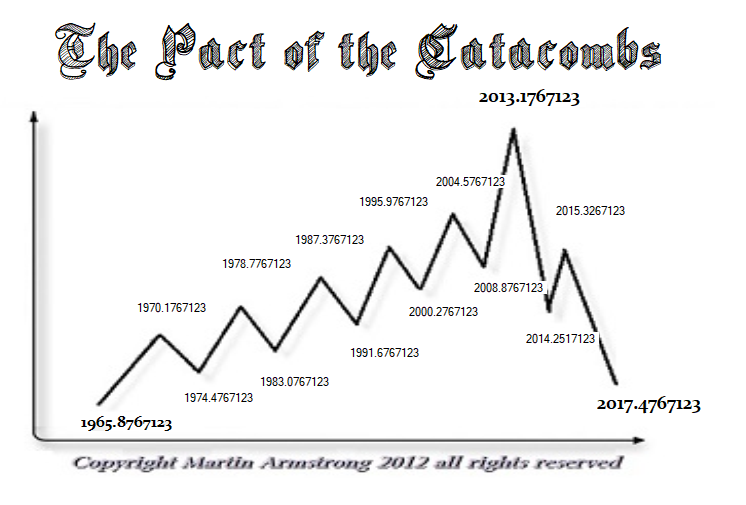
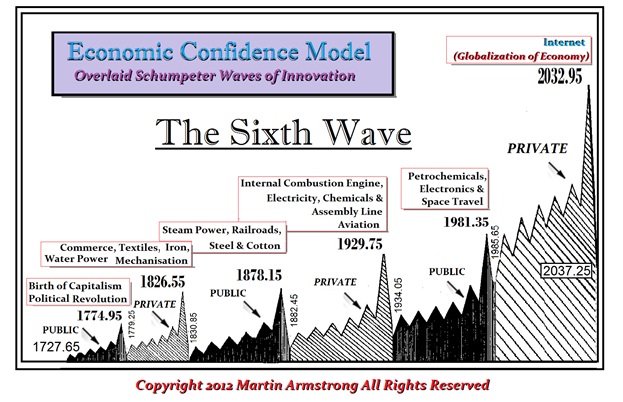
I do not see Pope Francis making it to 2032. I am not sure if Pope Francis is “Peter the Roman.” Still, there is a serious risk that he may bring the Catholic Church to a major tribulation, as they say, because he is really abandoning religion and advocating communism. Interestingly, Jorge Mario Bergoglio became Pope Francis on March 13, 2013, when he was named the 266th pope of the Roman Catholic Church. He did not take the name of Peter, and he is not from Italy. His papal title was taken after St. Francis of Assisi of Italy. Becoming Pope on March 13, 2013, was spot on for a 51.6 years wave, beginning with the signing of that secret Pact of the Catacombs.
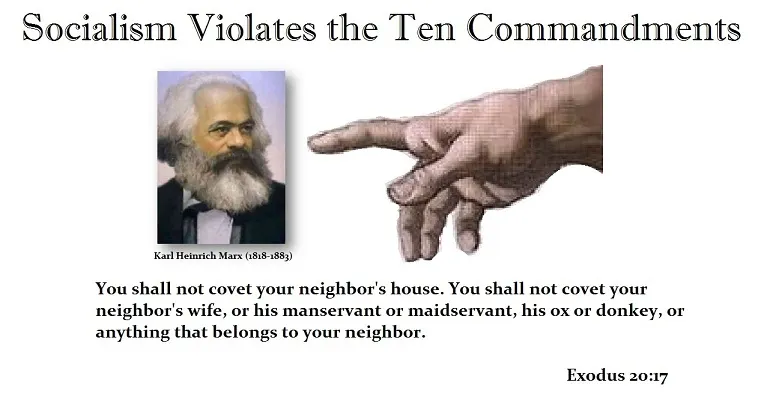
Therefore, if I look at this from a purely mathematical perspective, 266 divided by 8.6 is 30.9. Consequently, my concern would be for the next pope which would be a derivative of pi. Since the model projects that Schwab will fail, for Marxism is against human nature and even the Ten Commandments, it would not surprise me if there is an upheaval in the church and that the next Pope will be a reaction to the material doctrines of Pope Francis who is fully cooperating with Schwab. I do not see how Pope Francis’ support for the Pact of the Catacombs does not violate everything the church has stood for through the past 265 popes. Ironically, there were 148 emperors/caesars until the fall of Rome, which was 17.2 x 8.6.
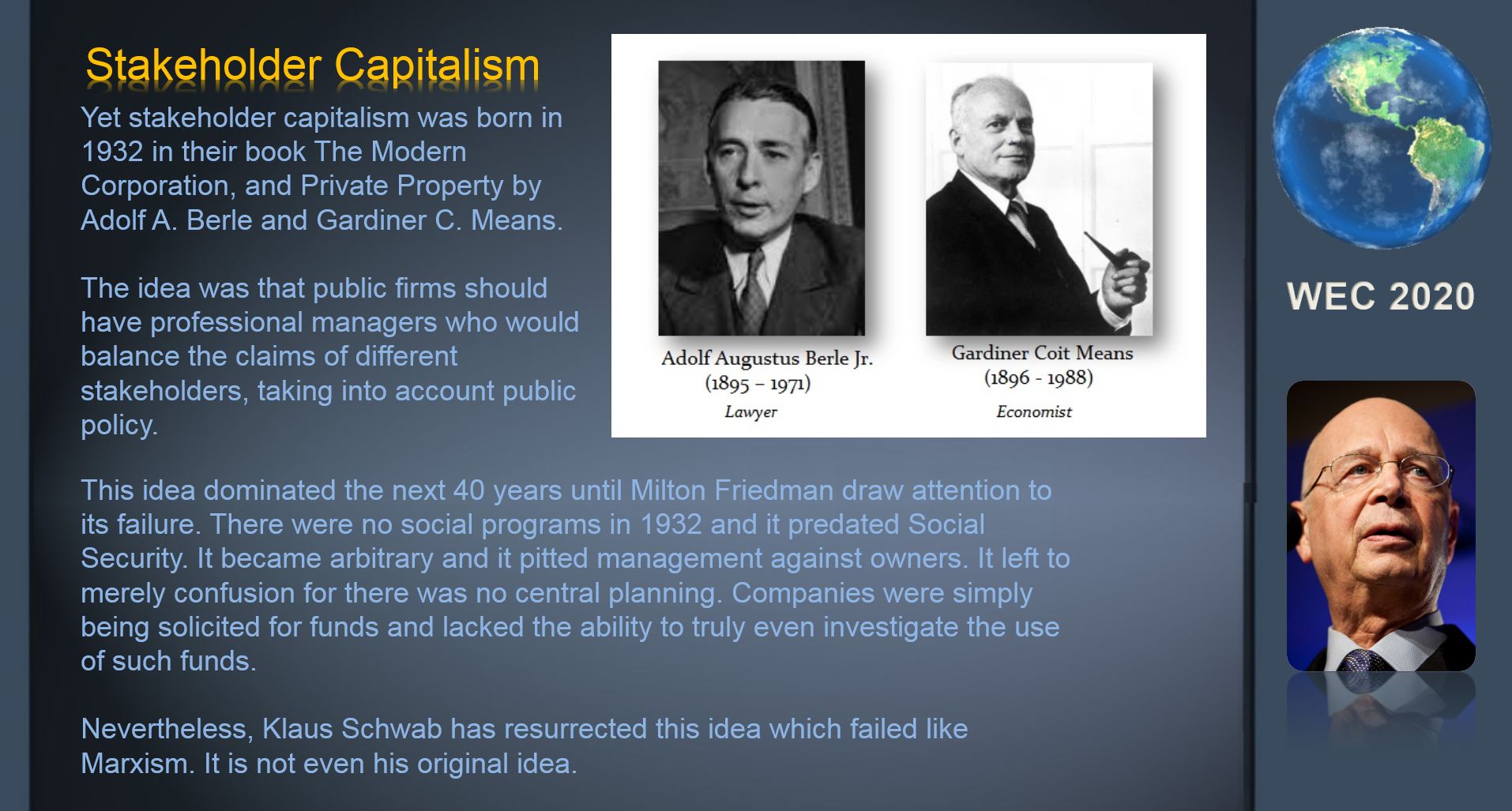
Schwab also says in this clip that he was the first to develop stakeholder economics. That is simply not true. That was an idea that surfaced during the Great Depression, which became obsolete when Roosevelt came to office with the New Deal. This idea was that corporations had a duty to society during a period when there were NO social programs whatsoever. From what I can tell, both stakeholder economics and this Great Reset, where you will own nothing and be happy, come from the Pact of the Catacombs. Indeed, Schwab invited Pope Francis to speak at Davos in January 2014, just after he was made pope, displaying he knew they shared the same economic philosophy. The pope talks more about the economy and “inequality” than he does about salvation.

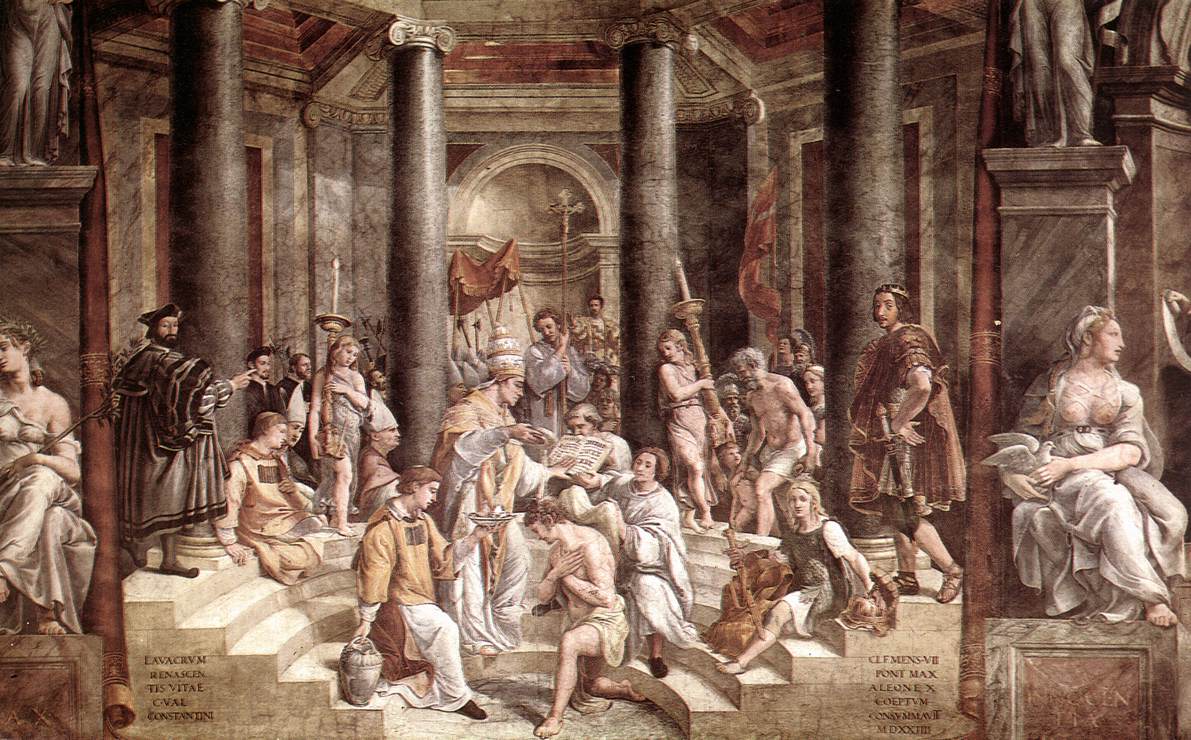

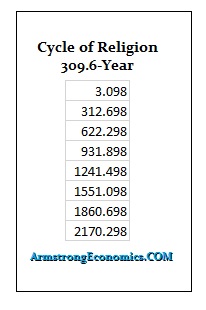 There are two primary cycles. First we can look at the cycle of change in religion which seems to follow the 309.6 year cycle which is, of course, the 8.6-year frequency. The second is to look at the derivative of the 8.6-year which produces a target for a major collapse in religion, which is underway at this time, by 2033.