Showing posts with label Japan. Show all posts

Tuesday, May 3, 2022

Why is CASH King in Times of War?


COMMENT: Dear Martin,

So refreshing to see some theory regarding silver other than crazy goldbugs claiming JP Morgan artificially putting down t silver prices for XX years. Still what I find interesting is the weakness of the US stock market. Bonds getting dumped, Precious Metals getting dumped, EM’s getting dumped so everyone is just holding USD as cash? Take care.

Best,
Sant
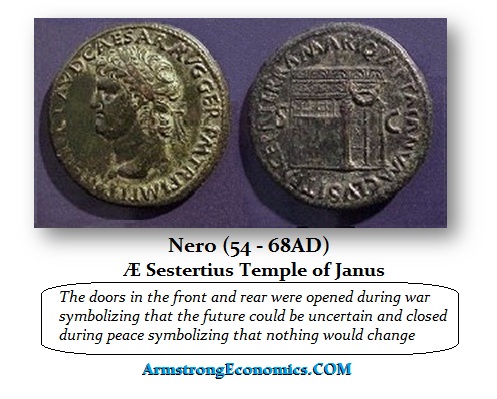
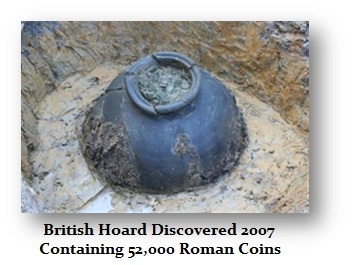
ANSWER: In times of war, UNCERTAINTY is always dominant. It is interesting that the Romans’ Temple of Janus had two doors, and in times of war they were left open, symbolizing that the future was uncertain. Hence, the winds of war could pass freely through the temple, warning they could also lose. During times of peace, the doors were closed, symbolizing security. This is why CASH becomes king in times of war. Even the ancient coin hoards are typically stashed during times of war.
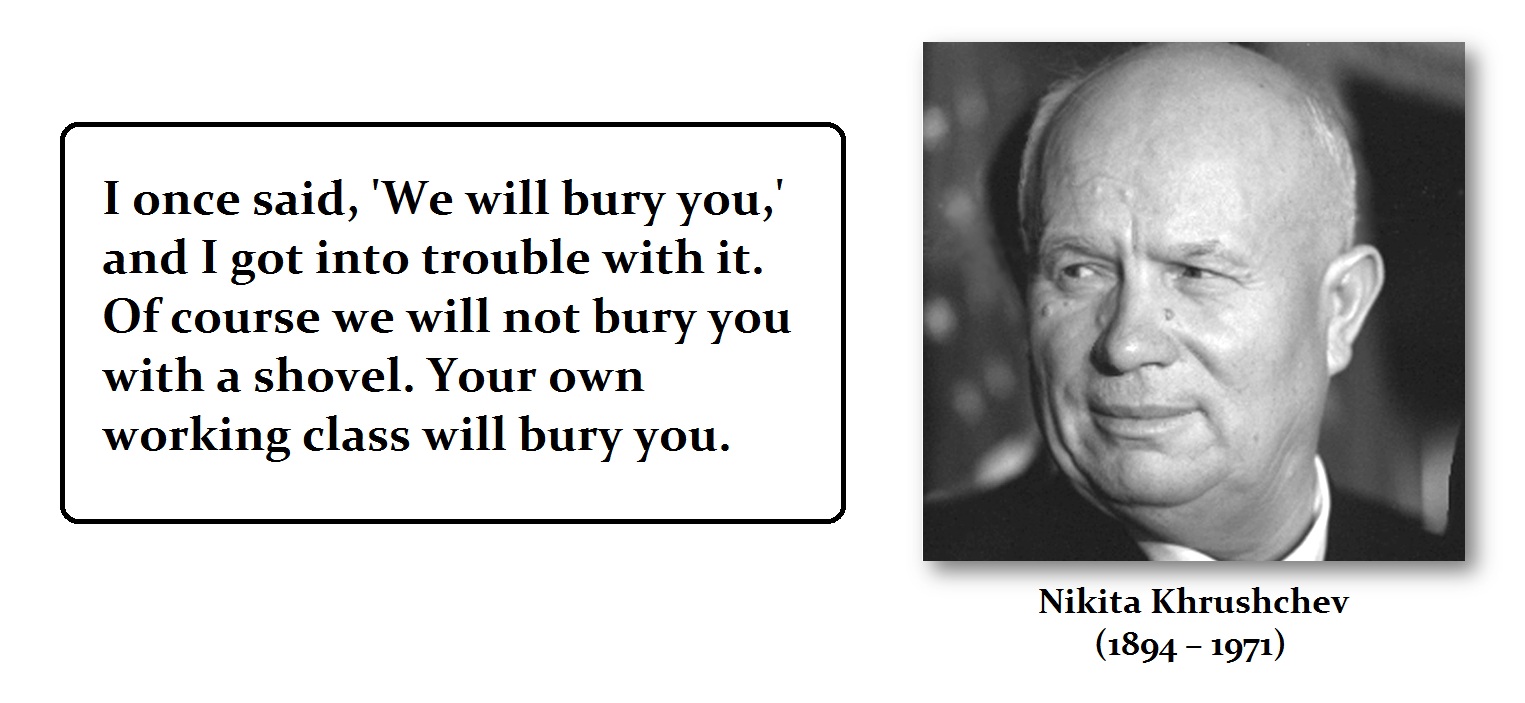
While some think that the Cuban Missile Crisis was when Kennedy took the nuclear deterrent to direct confrontation with Russia rather than attacking Cuba, I suggest that they look at the film the “Courier.” Kennedy did not reject the advice of his advisors to bomb Cuba, there was information flowing from a Russian dissenter who was concerned about nuclear war and the ideology of Khrushchev that communism would conquer the world. This is a totally different time. Putin is not a Communist, and he has no desire to conquer the world with an economic theory. Kennedy was following the advice of his advisers, who were NOT advocating to bomb Cuba. They knew they were fighting against an economic theory to conquer the world, which ironically is the objective of the World Economic Forum and Klaus Schwab.
Freezing assets as Biden has done to all Russians is unproductive. Nobody seems to have ever asked, “Have sanctions ever worked?” On July 24, 1941, Tokyo decided to strengthen its position in terms of its invasion of China by moving through Southeast Asia. On July 26, 1941, President Franklin Roosevelt seized all Japanese assets in the United States in retaliation for the Japanese occupation of French Indo-China. That was followed by Pearl Harbor less than five months later. It seems that our leaders are deliberately pushing the world into war. They need to justify the collapse in their fiscal mismanagement of the global economic system.

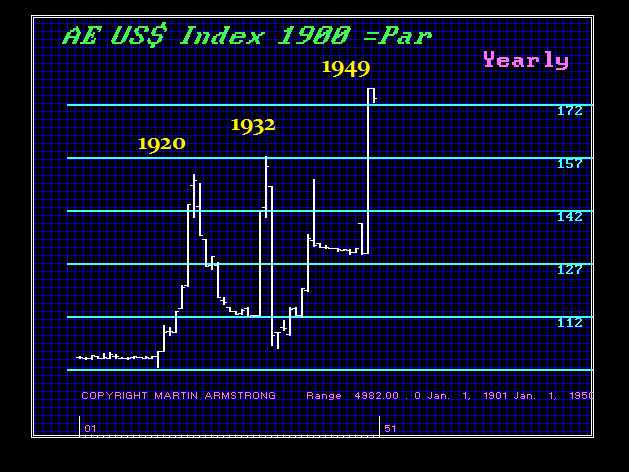
The dollar rose during World War I and during the Great Depression when most of Europe defaulted on its debt in 1931. The dollar spiked higher in 1940, but then the US government imposed controls during World War II. They even instructed the Fed to buy US debt at par which they finally rejected in 1951. Note that once the controls were lifted, the dollar soared again post-war.
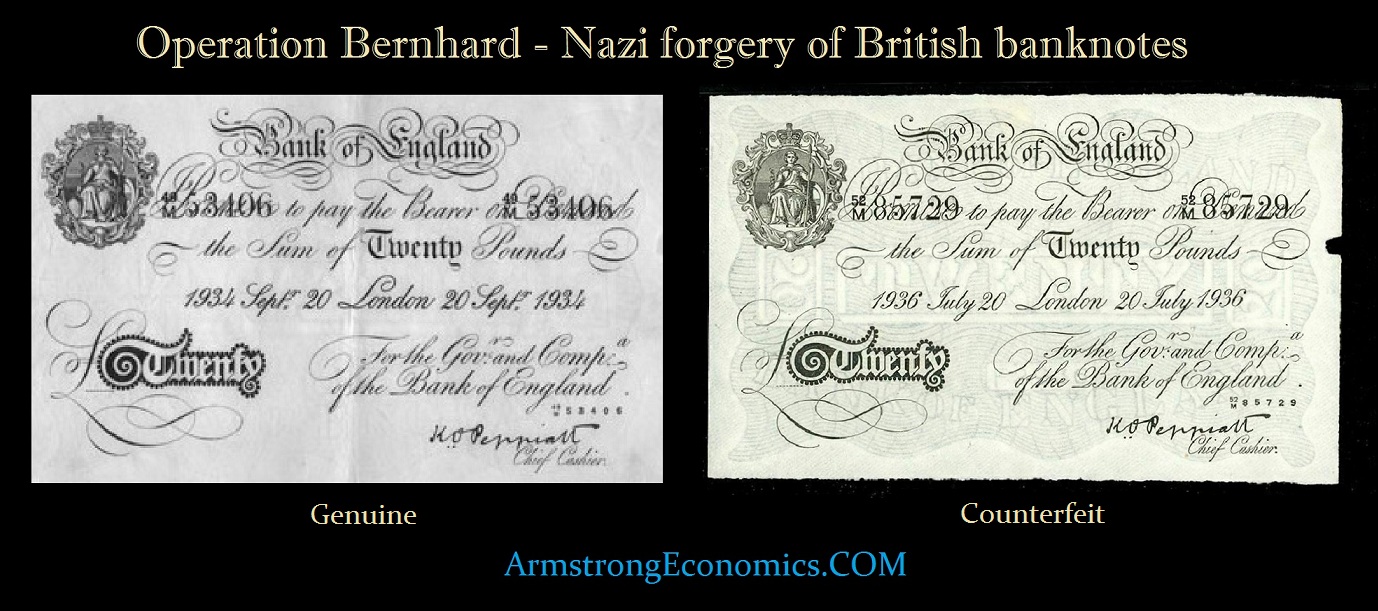
The dollar on a CASH basis has been the safe haven during war, mainly when the rest of the world is collapsing. This war will NOT be a rerun of the last two. Moving to digital currencies will be the kiss of death and render the financial system completely vulnerable to cyber attacks. The last time, there was counterfeiting of an opponent’s currency to undermine its ability to fund its defense. Even the British were counterfeiting the Continental Currency during the American Revolution.

Thursday, January 9, 2020

Can Central Banks Ever Control Long-Term Rates?


QUESTION: Marty, you said that central banks can only control short-term rates not long-term. Do you see a scenario where they could control the long-term rates?
Thank you for your insight
DH
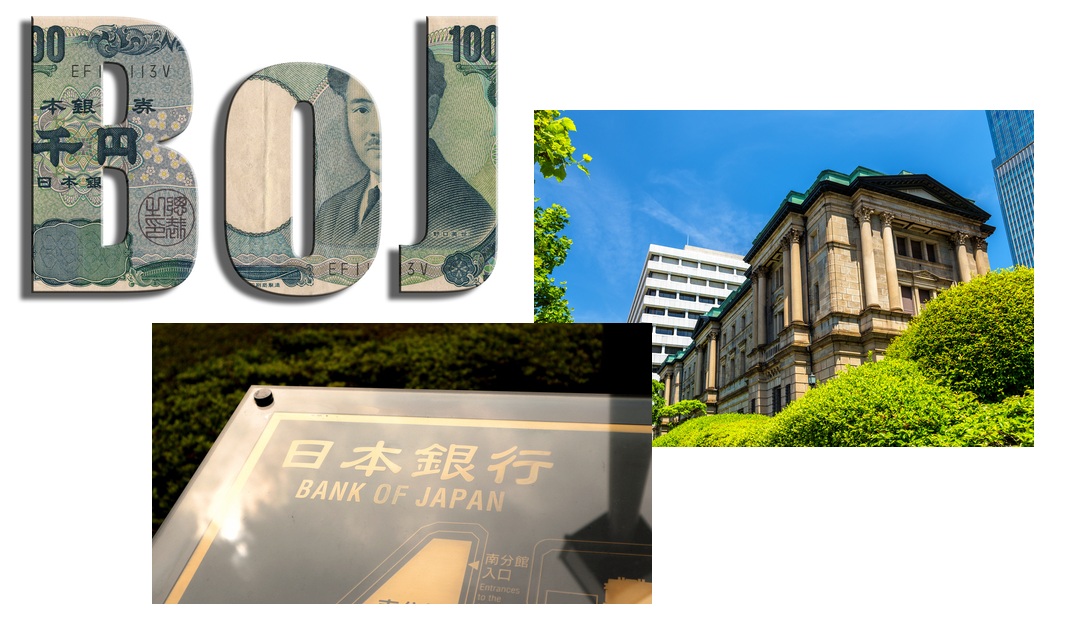
ANSWER: If you ASSUME that there is a free market, then the answer is no possible way. Under a hybrid market, a central bank can split between public and private debt as is taking place in Japan. The Bank of Japan has announced it will buy unlimited amounts of government bonds to prevent interest rates from rising.
Under this hybrid market, a central bank can simply buy all government debt but this results in the total destruction of any free market in government debt. The government should at that point just print money and not even bother to issue any debt.
The third possibility is a closed market which means that the government can fix long-term rates which was done with usury laws. Even in Roman times, Cicero tells us how the cap on interest rates existed only in Italy. This led to excessive interest rates being charged by Brutus in Cappadocia of 40% compared to 10% in Rome.
Paul Volcker had to have the usury rates raised in order to raise interest rates to 14% to fight inflation back in 1981. It was also illegal for a Catholic to charge interest in loans so the Jews were the first bankers coming out of the Dark Ages. The Catholics got around that by stacking the interest costs into the price.
The final type of system that would control long-term rates would be Communism where everything is just outlawed and the economy is entirely closed.
Under a free market, the central bank sets the wholesale short-term rates which is why it has been focused in the repo market. If it attempts to just buy in all government debt, then private rates will rise and that is what is taking place right now. The Fed can peg long-term rates as they did during World War II, but that applied only to government debt. To prevent prices from rising the political legislature imposed wage and price controls.
So there are ways to fix the long-term, but at the cost of a free market

Monday, September 30, 2019

Japan’s Monetary System is a Warning to Modern Society


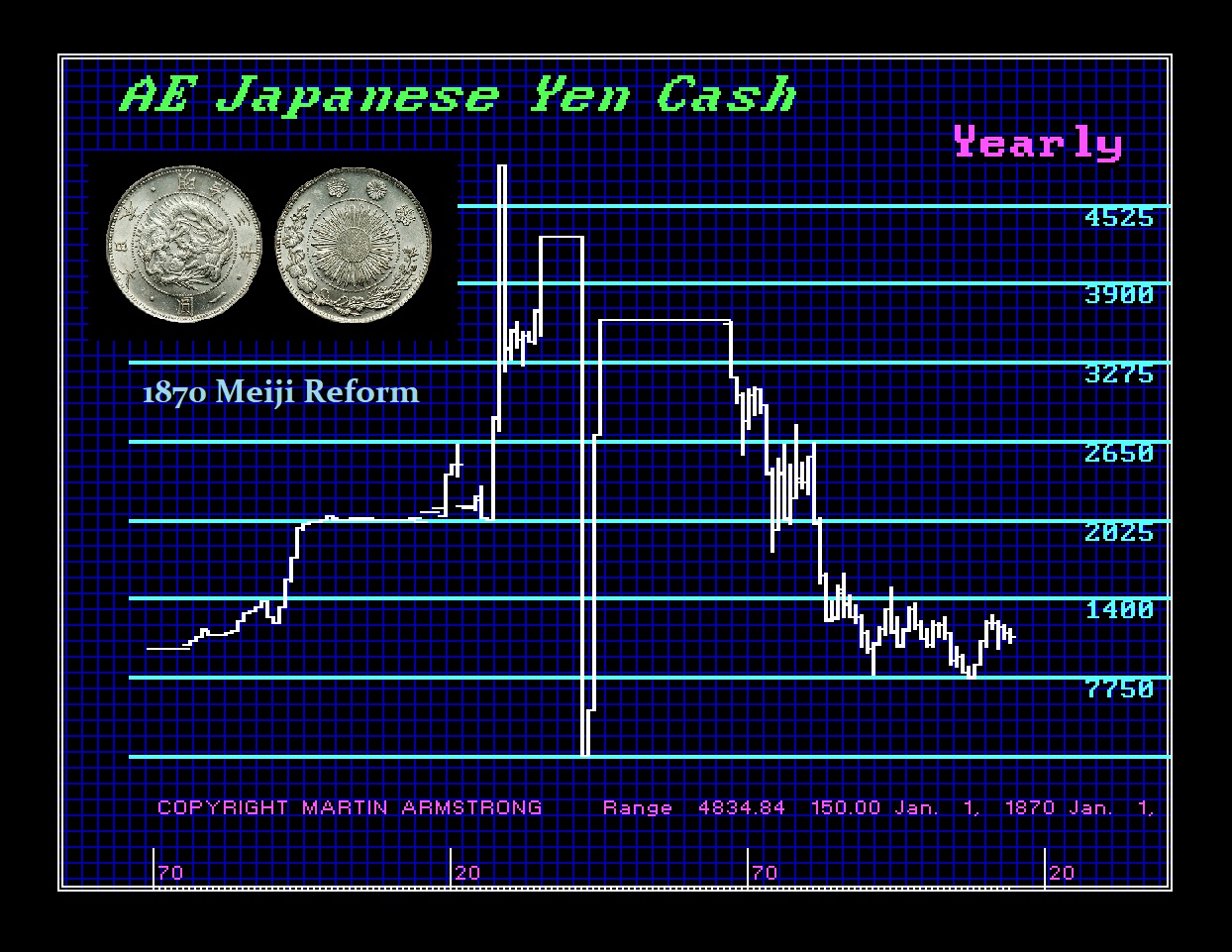
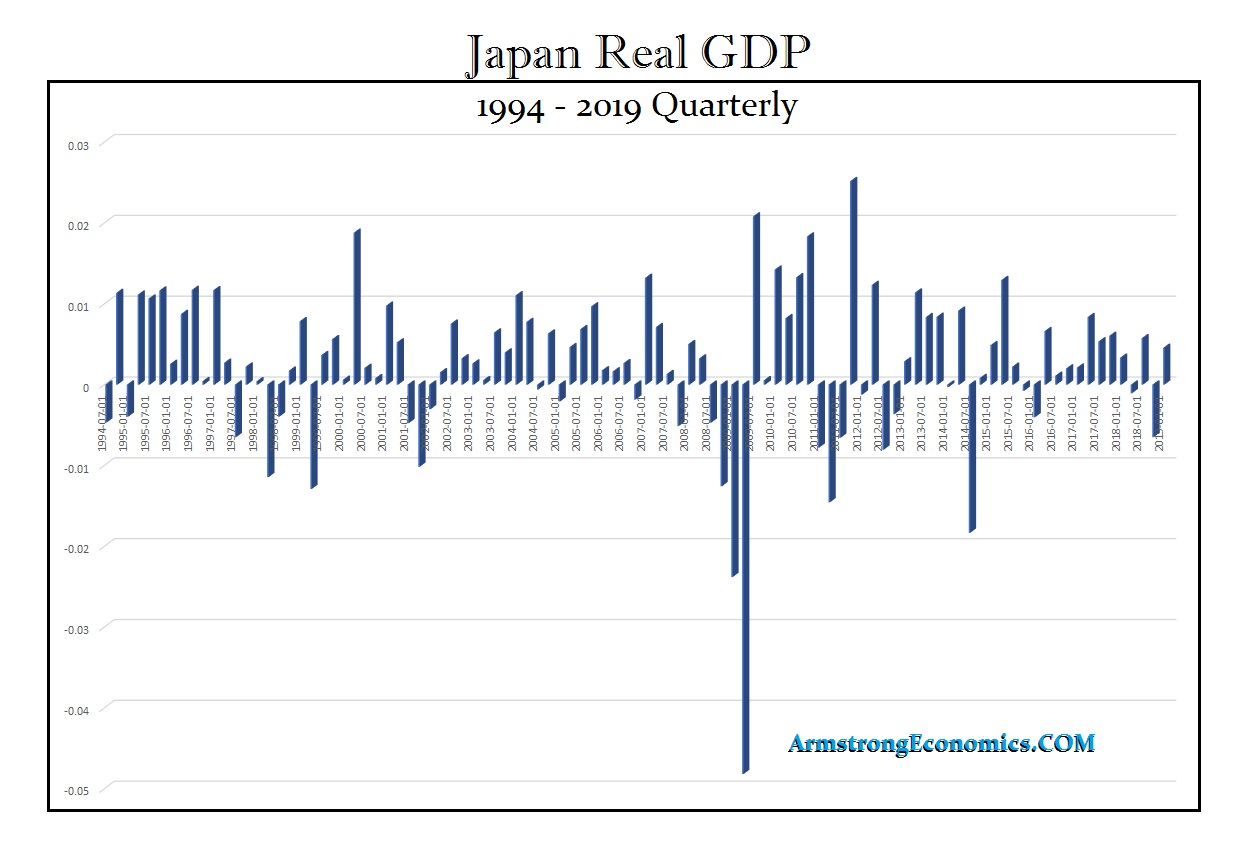
QUESTION: Mr. Armstrong; My friend who retired from the Bank of Japan told me you had recreated the monetary system of Japan and that was how you could predict the yen would go below par back in 1995 and again in 2011. Could you please publish the chart on the yen showing the full monetary system from the Meiji reform?
Thank you
AH
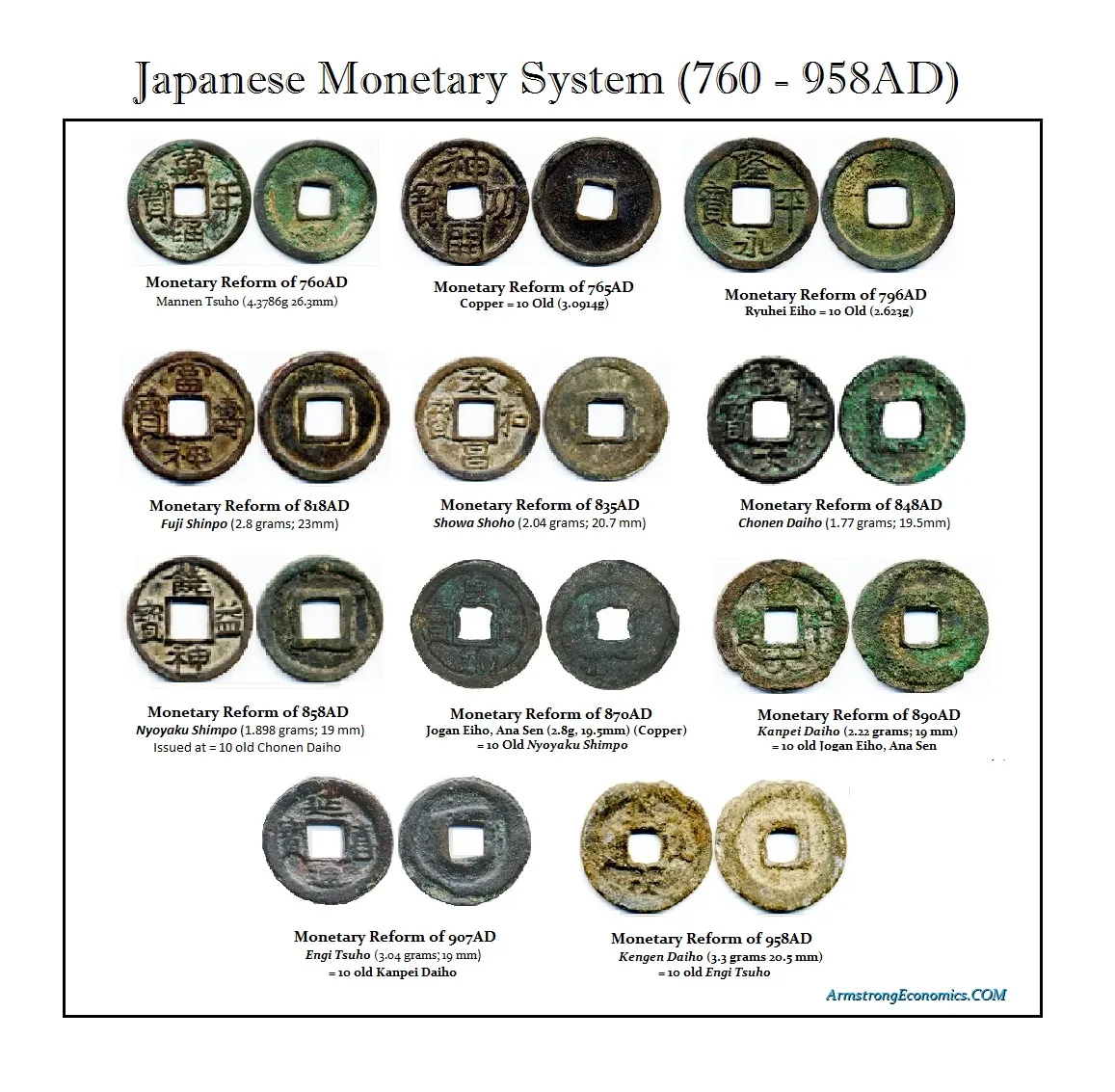
ANSWER: Japan has been through a truly wild ride when it comes to currency. The emperors would devalue the outstanding money supply when they came to the throne and reduce it to 10% of its former value. This allowed the new emperor to issue coins as if he were beginning anew. By the time the third emperor pulled this stunt, the people simply refused to accept the coins of the emperor ever again.
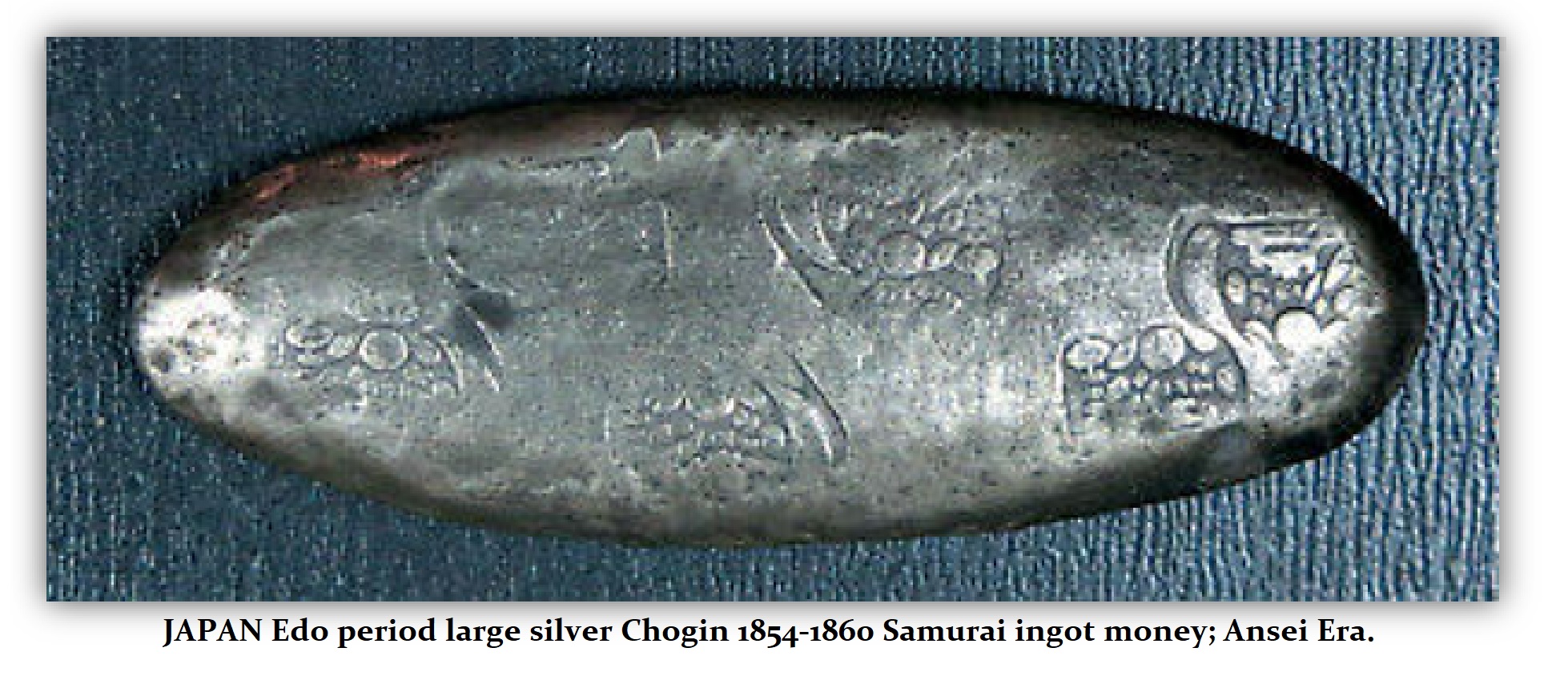
The Japanese resorted to using bags of rice as money and Chinese coins. Eventually, they also used ingots of silver or gold for larger transactions by the 18th to 19th century.
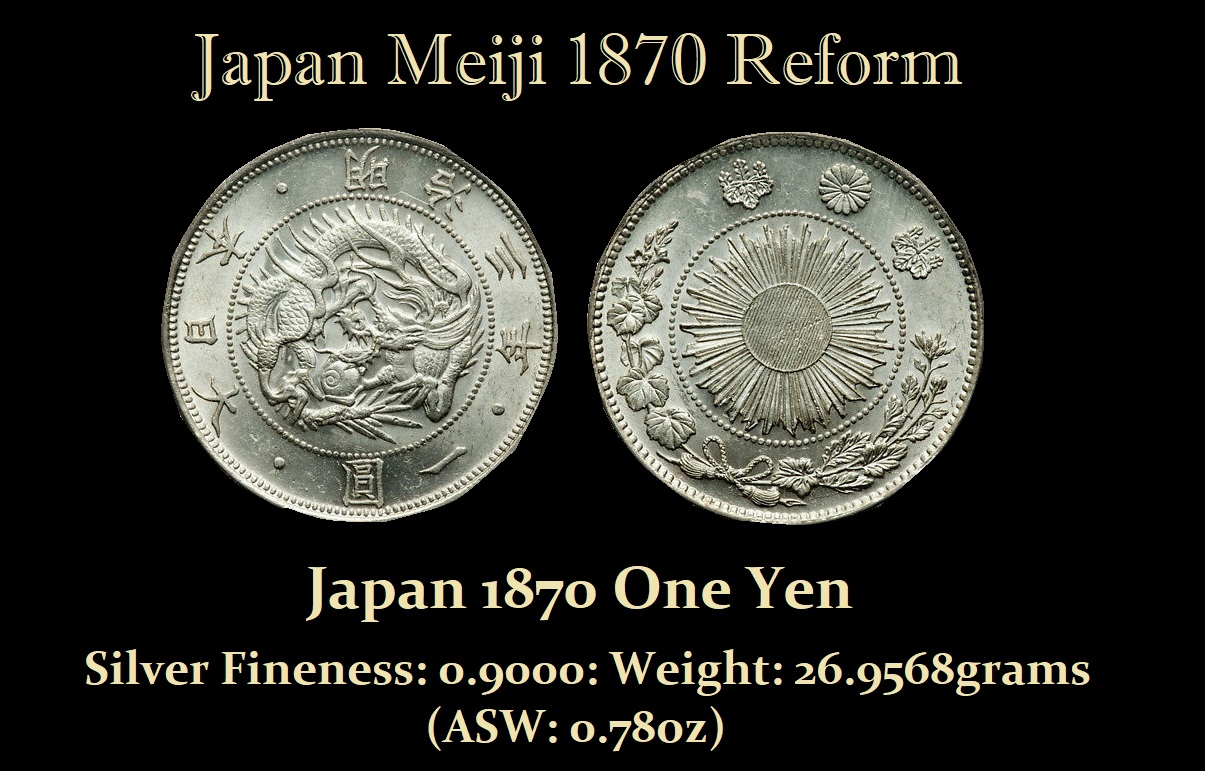
This is actually a very good reference point because Japan lost the ability to issue money for 600 years until the Meiji reform in 1870 when the yen was born. The last official Japanese coin issue was in 958 AD.

The Meiji Reform of 1870 set the yen at par with the US dollar based upon a silver yen which was the equivalent of the US silver dollar.
This is an important point because as governments today try to eliminate their currency in the hunt for taxes, people are hoarding US dollars exactly as the Japanese began to hoard Chinese coins. Governments should look well at what they are proposing for they can lose the confidence of the people and they will lose the right to issue money. They only way to prevent hoarding requires a universal abandonment of all currencies and their replacement with a single electronic one-world currency. But that system will fail like the Euro for a single currency imports and exports the inflation or deflation from the core economy. Not all nations are on the same side of the business cycle.

Wednesday, September 11, 2019

Japan Still Declining into 2021


QUESTION: When I saw your blog saying 2019 will be really crazy and chaotic year for Japan (Feb 2019), I was curious how bad it could be. It is always amazing to see how you and your Socrates turning point manifest in the real world. I was astonished when Japan restricted exports of critical materials used in South Korea’s high-tech semiconductor industry right after G20 Osaka Summit. A trade war is generally initiated by a deficit country. This decision was not only opposite but might lead to devastate their own industry and disrupt the world IT markets. It seems to be a political stance for the upcoming Japan Upper House election but connects further deep into friction between Korea and Japan history. Insane year for Japan indeed, thank you for your great work and efforts providing new perspectives to the world.
Q: With all that sovereign debt how do you see the future of Japan will be?
HJ Kim

ANSWER: Our forecast was covering economics, which then causes political responses. As I previously reported, the Bank of Japan (BOJ) Governor Haruhiko Kuroda publicly stated that it may maintain ultra-low rates for a further period of well over a year. However, he also warned against the idea of propping up the economy through unlimited money or printing to finance government spending.
The Bank of Japan is trapped. Its holdings of the national debt have reached nearly 50%. The BOJ modified its forward guidance or pledge on how it will guide future monetary policy. It stated that current very low interest rates will continue at least until the spring of 2020. Without the BOJ buying government debt, there is ZERO hope that interest rates will rise dramatically and a financial crisis will be in the making. The BOJ will keep rates low for an extended period of time for they have no choice. There is no way out of this nightmare and the real inflationary cycle comes when the majority wake up and realize that the emperor has no clothes, and that means the central bankers worldwide.
There remains a capital flight from Japan and the more they keep these policies up, our model does not show that their economy will recover. We are looking at the absolute low perhaps forming as early and the middle of 2020 but more likely into mid-2021. This will prompt the Monetary Crisis to spark political chang

Wednesday, August 15, 2018

First to crack would be emerging markets and Turkey, 2nd Europe, 3rd Japan, last US


This is No Joke – Monetary Reform Will Be Forced Upon the World


QUESTION: Mr. Armstrong; I really understand why the government wanted your model so bad. You have been the only one to correctly forecast the entire world. The emerging markets are cracking and the euro is falling apart. What is next in your timetable?
ANSWER: We have been warning that the first to crack would be emerging markets and Turkey was the focal point. We are also beginning to witness the debt crisis in China due to loans in dollars as well. Many of these companies simply lacked the sophistication to understand currency risk or hedging strategies. The second in line would be Europe and the Euro is really in danger of bringing the entire world economy down. The third in line will be Japan, and then finally the crisis will hit the USA. We are just living in an era where people have believed the nonsense for far too long. Adam Smith’s Invisible Hand cannot be defeated.
This is SERIOUS. People have to understand that this is NOT my personal belief, opinion, or anything else based upon some predetermined conclusion. People attack me personally because they cannot defend a system that NOBODY in their right mind would have created from scratch. Our system is a patchwork of band-aids that are applied to each crisis and then never removed. Collectively, that have combined to create a complete nightmare. This has become such a mess, there is NOT a single person I know in government capable to even correcting this mess. The truth ALWAYS is exposed.
I am only one person. I do not have the support to manage a global crisis or step in to help every country. This will take a lot more than just me. The countries who want help are generally the peripheral not the majors for this is too political.

Sunday, June 4, 2017

Taxes & Disasters – Always Repeat


QUESTION: Mr. Armstrong; You wrote that the 1906 San Francisco earthquake resulted in the Panic of 1907 and laid the foundation for creating the Federal Reserve. I was also told that the Kobe earthquake in Japan is what resulted in the Barclay’s loss. Is this why you also input natural disasters into your model? Has this been a pattern throughout history?
Thanks
PD
ANSWER: Absolutely. It is certain that when the eruption of Vesuvius started on the morning of August 24th, AD 79, it caught the local population utterly unprepared. The Emperor Titus has just taken the throne following his father’s death on June 24th, 79. Like Presidents will visit some disaster like Katrina, Titus visited the Pompeii area, announced a state of emergency and set up a relief fund. He then created a fund for the victims by collecting all property of those who died with no heirs. He convert this into a join fund. He then provided for assistance in rehousing survivors. The Christians attributed this to God’s retribution for the destruction of the Great Temple in Jerusalem in 70AD.
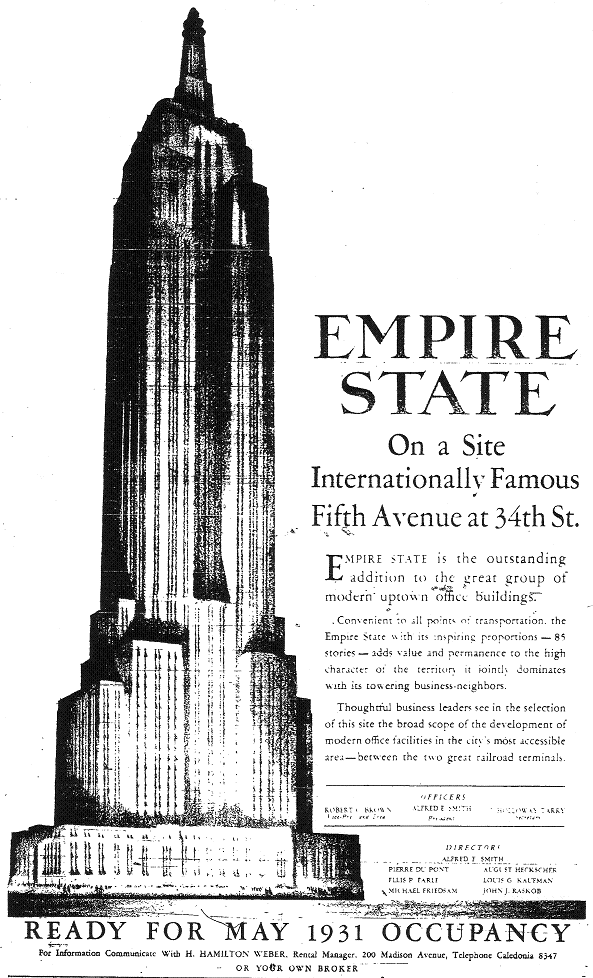
The while Titus was viewing the Pompeii disaster, a fire ravaged Rome for three days. Once more the emperor provided generous relief to the victims. And then a third disaster struck – plague. This was one of the worst epidemics of plague on record that hit Rome. Titus tried his best to combat the disease with medical support, and also staging extensive daily sacrifices to the gods. The economy went into a financial panic. As the Empire State Building had begun construction before the 1929 Crash, here too the Colosseum had been begun under his father. In both cases, the Empire State Building and the Colosseum were opening in an economic depression in hopes of raising spirits.
It was a tsunami that wiped out Tokyo in 1923. Then there have been huge earthquakes that sank Alexandria, Egypt, which spawned a huge tremendous tsunami that devastated Sicily and Greece on July 21st, 365AD. Edward Gibbon wrote in his Decline and Fall of the Roman Empire:
“In the second year of the reign of Valentinian and Valens, on the morning of the twenty-first day of July, the greatest part of the Roman world was shaken by a violent and destructive earthquake. The impression was communicated to the waters; the shores of the Mediterranean were left dry, by the sudden retreat of the sea; great quantities of fish were caught with the hand; large vessels were stranded on the mud; and a curious spectator ^1 amused his eye, or rather his fancy, by contemplating the various appearance of valleys and mountains, which had never, since the formation of the globe, been exposed to the sun. But the tide soon returned, with the weight of an immense and irresistible deluge, which was severely felt on the coasts of Sicily, of Dalmatia, of Greece, and of Egypt: large boats were transported, and lodged on the roofs of houses, or at the distance of two miles from the shore; the people, with their habitations, were swept away by the waters; and the city of Alexandria annually commemorated the fatal day, on which fifty thousand persons had lost their lives in the inundation. This calamity, the report of which was magnified from one province to another, astonished and terrified the subjects of Rome; and their affrighted imagination enlarged the real extent of a momentary evil. They recollected the preceding earthquakes, which had subverted the cities of Palestine and Bithynia: they considered these alarming strokes as the prelude only of still more dreadful calamities, and their fearful vanity was disposed to confound the symptoms of a declining empire and a sinking world.”
That event sent the empire into crisis and necessitated the biggest tax increase in Roman history up to that point in history. To pay for the disaster and the rising costs of the military efforts required during his time in reconstruction and defense, Valentinian saw himself forced to introduce the highest, and most oppressive Roman taxes in history. He was keenly aware how bad this was and raised the taxes reluctantly. He then made a interesting sincere effort to protect the poor. In an attempt to share the financial burdens more justly he made great efforts to ensure that the privileged few would no longer avoid paying their taxes. He also created the office of ‘Defender of the People’, the role of which was to assist the poor. In every town such a Defender was appointed, empowered to protect the interests of the poor from infringements by the privileged classes and to ensure they were not bankrupted by the taxes.
Here we have a weight (exaqium) for measuring gold solidi for taxes. Because of the large number of under-weight and false solidi in circulation, financial reforms were instituted by Valentinian i and Valens whereby gold collected in taxation was to be melted into ingots and tested before acceptance. Coins ceased to be legal tender (acceptable for taxation). The few gold ingots that have survived from antiquity are found with official counterstamps and the present example illustrated here bears the inscription “melted by Proculus”.
So you see, history repeats because the passions of man never change. Emperors created relief funds and visited disaster sites in ancient times and they do today. It is just standard operational procedure

Tuesday, December 20, 2016

We are in for a real crisis come 2018.

Beware of Bond Funds

$50 War Bond
QUESTION #1: Dear Mr Armstrong, you recently wrote that if you are in any bond fund, better get out. Do you also mean corporate short-term/medium-term bonds or are those expected to rise when people realise government debt is the real bubble ?
Kind regards.
WL.
QUESTION #2:  Mr. Armstrong- I enjoyed my first WEC immensely! In the blog and other place’s you warned that you should get out of bond funds. I understand government bonds of all kinds should be sold including date certain and funds. I am curious though about high-quality corporate bond funds. Should one get out of corporate bond funds and move to individual issues? The funds are easier for a working person of course.
Thank you,
KO
ANSWER: We are entering a phase of rising interest rates, so bond funds will do poorly. We are not yet at a stage where U.S. government bonds would default or be swapped. Therefore, my recommendation has only to do with rising rates. What you should do is stay short-term, like 90-day paper or less, be it corporate or government. This is just an interest rate play moving into 2018.
As we move into 2018, we will look at corporate vs government shift. That will become the play, but that will most likely unfold after we begin to see serious problems with government debt outside the United States. In Japan, the ownership of public debt by the private sector is in freefall. Debt to GDP held by the private sector before Abe came to power was 177%, which had collapsed to 100% in 2012, and has continued to decline to about 75%. The Bank of Japan through its quantitative easing now owns more government debt than the private sector. Japan is in VERY SERIOUS trouble and there is no possible way to reverse this nightmare.
The European Central Bank now holds 15% of Germany’s national debt. The central banks have been running out of positive-yielding safe-haven bonds. Yes, the Federal Reserve holds $2.4 trillion is less than 10%. The volume of repo loans using Treasury debt as collateral has collapsed from $2.6 trillion to about $1.8 trillion according to Barclays.
Despite all the complaints that QE has failed, we must ask how deep deflation would be without it. True, QE has not produced inflation. It has not stimulated the economies of Europe or Japan because the confidence of the people is not there. The central banks are trapped and politicians, not hedge fund managers, run government. These people are ignorant at best if not outright deaf, dumb, and stupid. They cannot see how this system of government borrowing will continue if the public no longer buys their debt.
This is by no means going to end nicely. So keep the power dry. We are in for a real crisis come 2018.

Wednesday, September 21, 2016

Mark Twain who put it best during the last century: “If voting made any difference, they wouldn’t let us do it.”

The Coming Dark Age

dark-age
QUESTION:
Mr. Armstrong,
Thank you for the time you are spending to educate the public about what it really going on. I have followed your work for years, from before you were released from prison. Over the years you have made several comments about directional changes and have alluded to the idea that a crossroads is coming in that we will either enter another Dark Age or we will see the light towards greater liberty and freedom. More recently, you mentioned the year 2032 as a critical year in this regard.
In addition, you have mentioned that Trump winning the election would postpone the inevitable chaos, but that HRC winning would speed it along.
In terms of the distal effects of the November election on 2032, does either Trump or Clinton winning increase the likelihood of entering a Dark Age over something more hopeful? Should we be attempting to kick the can down the road or should we get it over with?
Thanks again for your service.
HA, Ph.D.
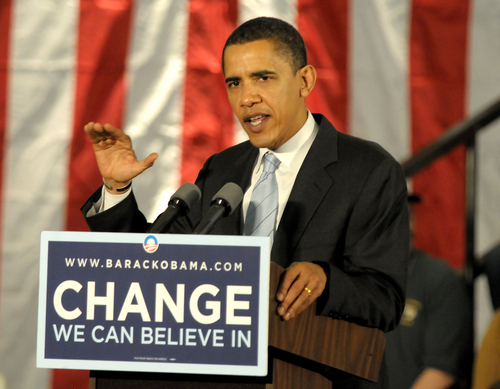
obama-change-we-can-believe-in
ANSWER: Hillary is just corrupt and rotten to the core. She represents everything that is wrong with our political economy. Politicians no longer care about the people. Every election promises “change” in some variation. That is admitting something is broken, but it always comes down to the same thing – it’s just about them.
twain-mark-if-voting-made-any-difference-they-would-not-let-us-do-it
Indeed, it was Mark Twain who put it best during the last century: “If voting made any difference, they wouldn’t let us do it.” We must understand that this has been an age old battle between the rulers and the people. In Athens where Democracy was born, they constantly fought to seize power back and even made Pericles stand trial. Government has always sought to bribe the people creating a welfare state. The Romans knew that the way to power was to promise everything but give them bread and circuses (sport games) and they could maintain power. It was Decimus Iūnius Iuvenālis, commonly known as Juvenal, who was a Roman poet active in the late 1st and early 2nd century AD that wrote that phrase:
… Already long ago, from when we sold our vote to no man, the People have abdicated our duties; for the People who once upon a time handed out military command, high civil office, legions — everything, now restrains itself and anxiously hopes for just two things: bread and circuses
[…] iam pridem, ex quo suffragia nulli / uendimus, effudit curas; nam qui dabat olim / imperium, fasces, legiones, omnia, nunc se / continet atque duas tantum res anxius optat, / panem et circenses. […]
(Juvenal, Satire 10.77–81)
Nothing has changed. Many people can name every person on some sports team but cannot name their political minister, congressman, or whatever lofty title they call themselves. The judge in a courtroom demands to be called “honorable” as do all public servants. They make a mockery of the very word.
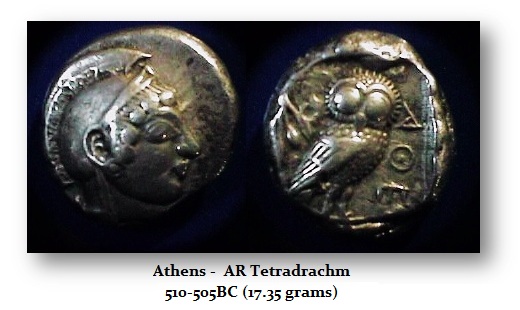
athen550We are approaching the grave danger of a Dark Age beginning from the aftermath of 2032. Hopefully, I will be gone by then and will not have to face this horrible event. Yet Dark Ages are reoccurring events throughout history and in all cultures. The Greeks endured their between the Homeric Age that marked the end of the Mycenaean civilization around 1100 BC, to the first signs of the Greek cities (poleis) rising again in the 6th century BC (508–322 BC). It was during the 9th century BC (900-801BC) that we begin to see the rise of great cities outside of Greece including Carthage, which was founded by the Phoenicians.
Japan went through its Dark Age, which also lasted about 600 years and the same impact was endured in Europe with the collapse of Rome in 476AD. Dark Ages seem to come in units of 3 so they are 300 or 600 years. The cause is always political corruption.
Japanese-Debasement 760-958AD
In the case of Japan, each new emperor devalued the money in circulation with a decree that it was worth 10% of his new coins. There was no intrinsic value since they were bronze or iron. This process led people NOT to hoard money. Chinese coins were sought after since they would not be devalued. Eventually, nobody would accept Japanese coins and they ceased to be issued for 600 years. People used Chinese coins or bags of rice.
roman-follis-295-348ad
The Roman Monetary Crisis that saw silver vanish by 268AD, was naturally followed by  an attempt to restore the monetary system. A new bronze coin was introduced in 295AD known as the Follis. Again, one 52 year cycle saw its collapse from over 16 grams to under just 2 grams.
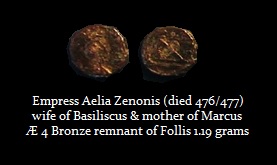
zenonis
By the time you come toward the very end of the Roman Empire, you rarely find any bronze and when you do, it is less than an American penny. Coinage is debased because of the corruption in government. Those who think restoring the gold standard would do anything are wrong. Such monetary reforms appear repeatedly throughout history with little lasting impact. The system as we know it is always doomed to failure simply because we are satisfied as a whole with bread and circuses and let politicians run wild in their greed. Hillary is the example for everyone to see.
I will gather all the accounts and this is on my bucket-list of books to complete. We do have a choice. We can understand what is coming and WHY, and perhaps take that first step out of darkness and move into the light of a realistic political system that ends the bribing of citizens and this eternal battle of political corruption. We need a REALdemocracy without career politicians. Only then can we hope to advance as a society.